
Why Your Feet Need Support Even During Rest Time
Most people think support only matters when they’re active.
Walking, running, and standing all day—these are the moments when footwear and comfort usually come to mind. But what often gets overlooked is what happens after the day ends. When you finally sit down, relax, or move around at home, your feet are still in a recovery phase.
And this is exactly where many people make a mistake.
They remove structured footwear and switch to completely flat, unsupportive options—or go barefoot—assuming rest alone is enough. But in reality, your feet still need support even during rest time.
Rest Doesn’t Mean Your Feet Stop Working
Even when you’re “resting,” your feet are not completely inactive.
You still:
- Walk around the house
- Stand while cooking or doing chores
- Shift your weight while sitting or moving
These small movements may feel insignificant, but they continue to place pressure on your feet—especially if your muscles are already tired from the day.
Without proper indoor support, this low-level strain continues, slowing down the recovery process.
The Hidden Impact of Barefoot Recovery
Walking barefoot at home might feel natural, but it’s not always helpful—especially on hard surfaces like tiles or concrete floors.
When your feet are already fatigued:
- Arches receive no structural support
- Pressure concentrates on heels and forefoot
- Muscles must continue working to stabilize your body
Instead of recovering, your feet remain under stress.
This is particularly important if you’ve been dealing with ongoing discomfort or strain during the day.
Recovery Requires the Right Conditions
True recovery isn’t just about stopping activity—it’s about creating the right environment for your body to heal.
Your feet need:
- Reduced pressure on sensitive areas
- Proper alignment to relax muscles
- Even weight distribution
Without these, recovery becomes incomplete.
This is how small issues persist and eventually connect to larger problems, as explained in How Overuse Without Recovery Leads to Chronic Pain. When your feet never fully recover—even during rest—the cycle of strain continues.
Why Support Matters Even in Low Activity
It’s easy to assume that support is only necessary during intense activity. But the truth is, your feet benefit from support the most when they are tired.
At this stage:
- Muscles are already fatigued
- Ligaments are less responsive
- Pressure sensitivity is higher
Providing support during this time helps:
- Reduce lingering strain
- Prevent additional fatigue
- Allow muscles to relax properly
This is where recovery footwear plays a key role.
The Role of Recovery Footwear
Recovery footwear is designed to support your feet without adding pressure.
Unlike regular shoes, it focuses on:
- Cushioning tired areas
- Supporting the arch gently
- Allowing natural foot positioning
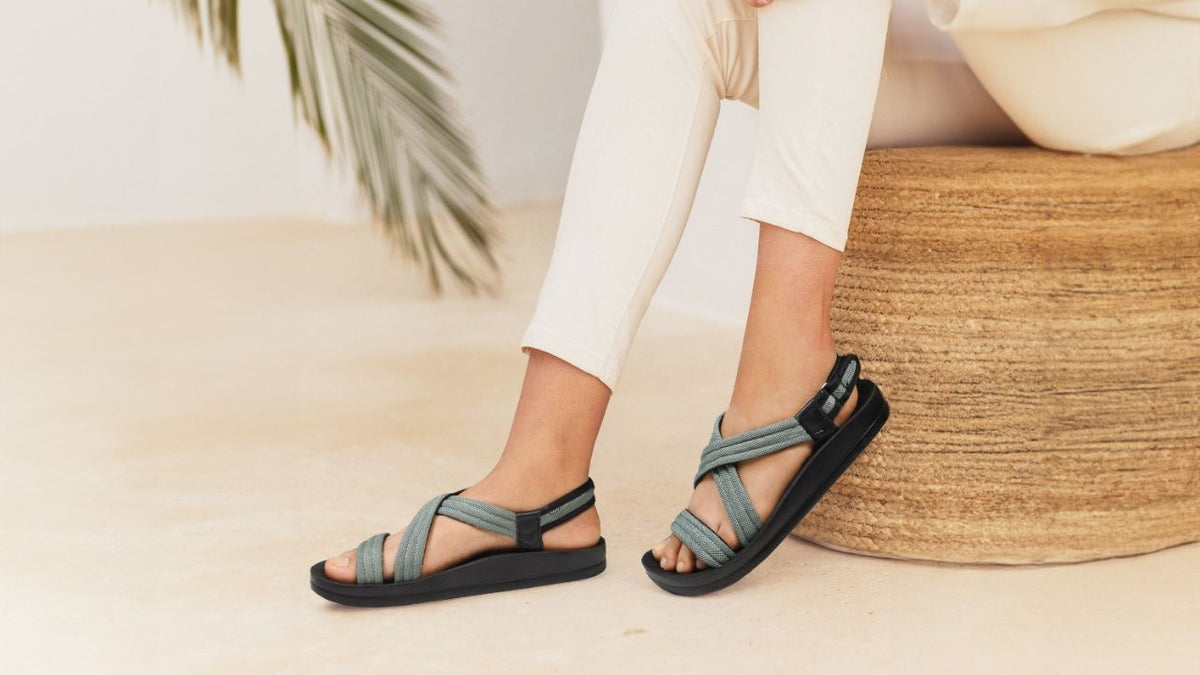
Wearing women’s sandals with arch support at home can make a noticeable difference in how your feet feel by the end of the night.
They provide just enough structure to:
- Maintain alignment
- Reduce stress on key pressure points
- Support the recovery process instead of interrupting it
Indoor Surfaces Add More Stress Than You Think
Most indoor floors are hard and unforgiving.
Tiles, marble, and wooden surfaces don’t absorb impact the way softer ground does. So every step you take at home still creates pressure—especially on already tired feet.
Without proper support:
- Impact transfers directly to your heels
- Arches collapse slightly with each step
- Fatigue continues to build
This is why daily comfort isn’t just about outdoor footwear—it extends to what you wear indoors as well.
Small Movements, Continuous Pressure
One of the biggest misconceptions is that only long walks or standing hours cause strain.
In reality, short, repeated movements at home can also contribute:
- Walking between rooms
- Standing briefly multiple times
- Constant start-stop motion
These actions don’t allow your feet to fully relax.
Instead, they keep your muscles engaged at a low level, preventing complete recovery unless proper support is provided.
Supporting Circulation During Rest
Supportive footwear during rest doesn’t just help with structure—it also helps with circulation.
When your feet are properly aligned:
- Blood flow improves
- Pressure points are reduced
- Fluid movement becomes more efficient
This helps prevent:
- Heaviness in the feet
- Mild swelling
- Lingering discomfort
Good support ensures your recovery is active, not passive.
Building a Better Recovery Routine
Taking care of your feet at home doesn’t require major changes—just smarter habits.
A simple approach includes:
- Wearing supportive indoor footwear
- Avoiding prolonged barefoot walking on hard floors
- Combining rest with light movement
- Elevating your feet occasionally
These steps create an environment where your feet can truly recover.
The Long-Term Benefits of Proper Rest Support
When you support your feet even during rest:
- Recovery becomes faster and more effective
- Daily fatigue reduces over time
- Risk of chronic discomfort decreases
You may start to notice:
- Less heaviness at night
- Better comfort in the morning
- Improved overall mobility
These small improvements add up in a big way.
Final Thoughts
Your feet don’t switch off just because your day slows down.
They continue to carry you—even in the smallest moments at home. That’s why support shouldn’t end when activity ends.
By focusing on recovery footwear, improving indoor support, and prioritizing daily comfort, you allow your feet to truly rest, repair, and reset.
Because real recovery doesn’t happen by accident.
It happens when you give your body the support it needs—every step of the way, even at home.