

When should you consult an infertility specialist
Introduction
An infertility specialist is a medical expert who helps diagnose and treat problems related to conception. Many couples try to conceive naturally for some time before seeking help. However, knowing when to consult a specialist can save time and increase the chances of a successful pregnancy.
Early consultation allows proper diagnosis and timely treatment.
What Does an Infertility Specialist Do?
An infertility specialist evaluates both male and female reproductive health. They perform tests, identify underlying problems, and recommend suitable treatments.
These treatments may include medication, lifestyle changes, or advanced procedures like IVF.
When Should You See an Infertility Specialist?
1. Trying to Conceive for Over a Year
Couples who have been trying to conceive for more than 12 months without success should consult a specialist.
This is one of the most common signs that medical evaluation is needed.
2. Women Over the Age of 35
Women aged 35 or older should seek help after six months of trying. Fertility naturally declines with age, so early intervention is important.
3. Irregular or Absent Periods
Irregular menstrual cycles may indicate ovulation problems or hormonal imbalance. These conditions can affect fertility and require medical attention.
4. History of Miscarriages
Repeated pregnancy loss can be a sign of underlying health issues. A specialist can investigate possible causes and suggest treatment.
5. Known Medical Conditions
Conditions such as polycystic ovary syndrome, endometriosis, or hormonal disorders can impact fertility.
If you have been diagnosed with any of these, early consultation is recommended.
6. Male Fertility Issues
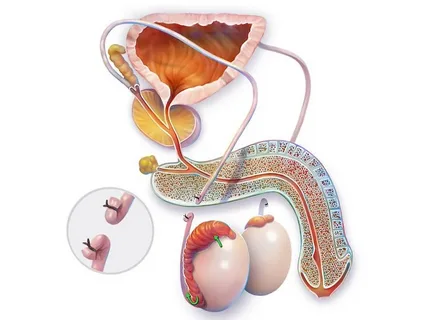
Infertility is not only a female concern. Male factors like low sperm count or poor sperm motility can also affect conception.
A semen analysis helps identify such issues.
7. Previous Surgeries or Infections
Past surgeries involving reproductive organs or untreated infections can lead to fertility problems.
In such cases, a specialist evaluation is important.
8. Unexplained Infertility
Sometimes, all basic tests appear normal, but pregnancy still does not occur. This is known as unexplained infertility.
Specialists use advanced techniques to identify hidden causes.
Importance of Early Diagnosis
Early diagnosis helps detect problems before they become severe. It also allows doctors to recommend the most effective treatment options.
Delaying consultation may reduce the chances of successful treatment.
What to Expect During Your First Visit
During the first visit, the specialist will review your medical history and may recommend tests such as:
- Hormone level testing
- Ultrasound scans
- Semen analysis
- Fertility assessment
Based on the results, a personalized treatment plan is created.
Treatment Options Available
Depending on the diagnosis, treatment may include:
- Lifestyle modifications
- Medication to regulate hormones
- Assisted reproductive techniques such as IVF
- Procedures to correct structural issues
The choice of treatment depends on individual needs.
Emotional and Psychological Support
Infertility can be emotionally challenging. Specialists often provide counseling or guidance to help couples cope with stress.
Support from professionals and family plays a key role in maintaining mental well-being.
Conclusion
Consulting an infertility specialist at the right time can make a significant difference in your fertility journey. Whether due to age, medical conditions, or prolonged attempts to conceive, early medical advice improves the chances of success.
Understanding the right time to seek help ensures better outcomes and brings couples closer to achieving their dream of parenthood.
For More Details: https://australianconcept.com/
FAQs
1. How long should I try before seeing a specialist?
You should consult after one year of trying, or six months if you are over 35.
2. Can infertility be treated?
Yes, many cases can be successfully treated with modern techniques.
3. Do both partners need evaluation?
Yes, fertility issues can involve both male and female factors.
4. Is IVF the only treatment option?
No, treatment depends on the cause and may include simpler methods.
5. Does stress affect fertility?
Yes, stress can impact hormonal balance and fertility.