
The Ultimate Guide to Precision and Care: Understanding the Daintle Instrument in US Healthcare
Introduction to Modern Precision Tools
In the rapidly evolving landscape of American healthcare, precision is no longer a luxury but a necessity. Medical professionals across the United States rely on specialized tools to perform complex procedures with minimal risk. The term daintle instrument in US refers to a category of ultra-fine, high-accuracy tools designed for intricate medical and dental tasks. These instruments are built to handle fragile tissues and microscopic details.
Doctors and surgeons understand that using the right tool directly impacts patient recovery times. A dainty instrument in US is engineered specifically for scenarios where standard tools are too bulky or aggressive. Because these instruments require careful handling, they symbolize the shift toward minimally invasive techniques. As technology advances, the demand for such precision tools continues to rise.
Why Precision Matters in American Medicine
Precision instruments are the backbone of modern diagnostics and surgery. When a medical professional selects a daintle instrument in US, they are prioritizing accuracy and safety. These tools allow for smaller incisions, which lead to faster healing. Furthermore, they reduce the risk of accidental damage to surrounding healthy tissues.
Hospitals in the US are increasingly investing in high-quality delicate instruments. The reason is simple: better tools lead to better patient outcomes. A daintle instrument in US often features ergonomic designs that reduce hand fatigue during long surgeries. This focus on design helps surgeons maintain a steady hand. Consequently, the overall success rate of complex procedures improves significantly.
Key Characteristics of a High-Quality Daintle Instrument
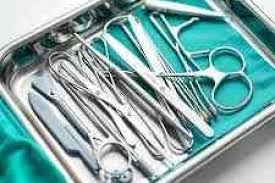
To understand why these tools are valuable, one must look at their construction. A premium daintle instrument in US is typically made from stainless steel or titanium. These materials ensure durability while resisting corrosion during sterilization. Moreover, the surface finish is usually matte to reduce glare from surgical lights.
Another critical characteristic is the locking mechanism, if applicable. In a daintle instrument in US, the joints must move smoothly without being loose. Loose joints can compromise accuracy during a delicate maneuver. Additionally, the tips of these instruments are often extremely fine. This fineness allows access to anatomical areas that are otherwise unreachable.
Applications in Dental Practices Across the US
Dentistry is one of the primary fields where these tools shine. A daintle instrument in US dental clinics is essential for root canal treatments and periodontal therapy. For example, explorers and probes must be thin enough to detect tiny cavities. Without such precision, early tooth decay might go unnoticed.
Furthermore, orthodontists use delicate instruments for placing and adjusting braces. A daintle instrument in US helps in applying precise pressure to move teeth correctly. Dental hygienists also rely on scalers that are sharp yet gentle on enamel. The goal is to remove plaque without scratching the tooth surface. Therefore, the dental industry remains a major consumer of these specialized tools.
The Role in Surgical Specialties
Beyond dentistry, general surgery and ophthalmology benefit greatly. In eye surgery, a daintle instrument in US must be incredibly refined to operate on the retina or cornea. Even a millimeter of error can lead to vision loss, so quality is non-negotiable. Similarly, neurosurgeons use delicate tools to manipulate brain tissues.
These instruments also play a role in plastic and reconstructive surgery. A daintle instrument in US helps in suturing small blood vessels and nerves. This capability is vital for reattaching limbs or performing facelifts. By using the right tool, surgeons can achieve cosmetic results that look natural. Thus, the value of these instruments extends across multiple medical disciplines.
Technological Advancements in 2026
The year 2026 has brought new innovations to this field. Modern daintle instrument in US now often incorporates smart technology. Some tools have sensors that alert the surgeon if too much pressure is applied. This real-time feedback prevents tissue damage during training or complex cases.
Additionally, coatings have improved significantly. A contemporary daintle instrument in US may feature a non-stick coating to reduce tissue adhesion. This keeps the tool clean during use and speeds up the procedure. Manufacturers are also focusing on lightweight materials to combat fatigue. These advancements make surgeries safer and more efficient than ever before.
Sterilization and Maintenance Protocols
Owning a delicate instrument requires strict maintenance. A daintle instrument in US must be sterilized after every use to prevent infections. Autoclaving is the most common method, but it must be done correctly. High heat can dull the tips if the instrument is not dried properly.
Therefore, clinics follow specific protocols to extend the life of these tools. A daintle instrument in US should be stored in a protective cassette or tray. This prevents the tips from bumping against other metal objects. Regular inspection for rust or misalignment is also crucial. By maintaining the instrument well, clinics save money on replacements.
How to Identify Quality Without a Brand
When looking for a reliable daintle instrument in US, professionals check the balance and weight. A quality tool will feel heavy enough to be sturdy but light enough for control. The finger rings should have smooth edges to prevent blisters. If the instrument slips in the hand, it is not safe for use.
You should also test the closure action if it is a hinged tool. A premium daintle instrument in US will close perfectly along the entire tip. There should be no gaps when held up to a light. The metal should have a consistent color without any dark spots. These physical checks are more important than the name printed on the box.
Training Staff to Handle Delicate Tools
Purchasing high-end tools is only half the battle. Staff must be trained to handle a daintle instrument in US with respect. New nurses and assistants often need guidance on passing tools without dropping them. Dropping a delicate tool onto a hard floor can ruin the tip instantly.
Simulation training helps staff learn the value of these instruments. When handling a daintle instrument in US, one should avoid using excessive force. These tools are meant to cut or hold, not to pry or bend. Proper training reduces breakage rates significantly. It also ensures that the instruments remain in peak condition for the patient.
The Future of Daintle Instruments in America
Looking ahead, the market for these tools will only grow. An aging population in the US requires more surgical interventions. Each of these procedures will likely demand a daintle instrument in US for the best result. Researchers are also exploring 3D-printed instruments for custom fits.
Customization may allow for patient-specific angles and curves. Imagine a daintle instrument in US designed specifically for your unique anatomy. This level of personalization could revolutionize recovery times. Moreover, robotics will integrate these delicate tools for even steadier hands. The future of American medicine is precise, careful, and highly instrument-dependent.
Conclusion: Investing in Excellence
In summary, the role of a daintle instrument in US cannot be overstated. From dental cleanings to brain surgery, these tools protect patients and empower doctors. They represent the commitment of the US healthcare system to excellence. While they require careful handling and investment, the results are worth it.
By choosing quality and training staff well, clinics can achieve remarkable outcomes. Remember that a tool is only as good as the hand that holds it. However, even the best hand needs a daintle instrument in US to perform miracles. As technology evolves, these instruments will continue to save lives and improve health across the nation.