

The Evolving Role of Luxury Paper Bags in Modern Retail and Branding
In today’s competitive retail landscape, packaging is no longer just a functional necessity—it’s a strategic branding tool. Among the many packaging options available, luxury paper bags have emerged as a powerful symbol of quality, sustainability, and brand identity. From boutique stores to global fashion houses, businesses are increasingly investing in high-end packaging solutions to enhance customer experience and reinforce brand perception.
This article explores the growing importance of luxury paper bags, particularly in markets like the UK, and examines how they contribute to branding, sustainability, and consumer engagement.
Why Luxury Paper Bags Matter More Than Ever
A Shift Toward Experience-Driven Retail
Modern consumers are not just purchasing products; they are buying experiences. Packaging plays a crucial role in shaping that experience. A well-designed luxury paper bag can evoke emotions, create anticipation, and leave a lasting impression long after the purchase is made.
In cities like London, where retail competition is intense, businesses are leveraging luxury paper bags London as part of a broader experiential marketing strategy. The tactile feel, visual appeal, and structural quality of these bags enhance the premium unboxing experience, even before revealing the product.
First Impressions and Brand Recall
Research suggests that consumers form first impressions within seconds. Packaging, especially carry bags, is often the first physical interaction a customer has with a brand. High-quality materials, elegant finishes, and thoughtful design elements can significantly enhance brand recall.
Luxury paper bags act as mobile advertisements. When customers carry them in public spaces, they extend brand visibility organically, making them a subtle yet effective marketing tool.
Key Features That Define Luxury Paper Bags
Premium Materials and Finishes
Luxury paper bags are typically crafted from high-grade materials such as thick kraft paper, art paper, or laminated boards. These materials not only ensure durability but also provide a refined aesthetic.
Common finishes include:
- Matte or gloss lamination
- Embossing and debossing
- Foil stamping (gold, silver, or custom colors)
- Spot UV coating
These elements elevate the visual and tactile appeal, distinguishing luxury packaging from standard alternatives.
Customization and Brand Identity
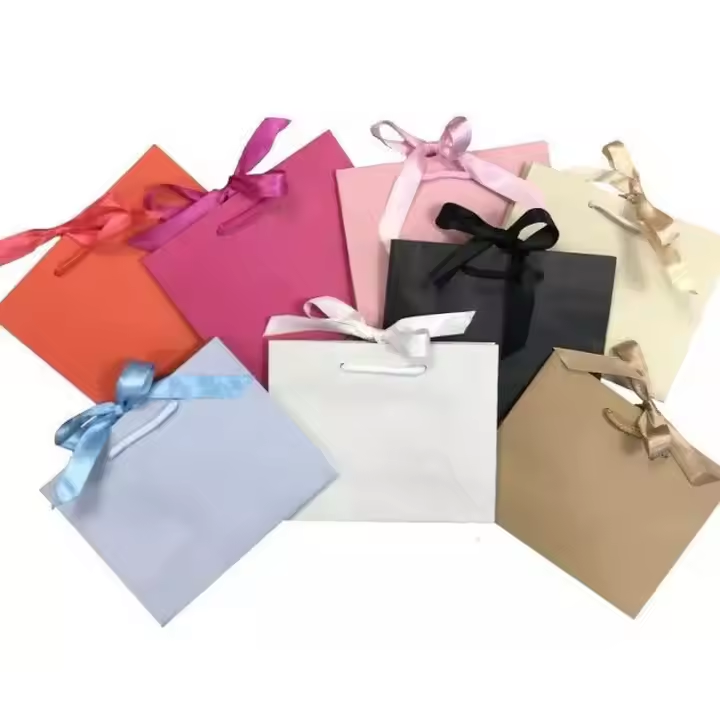
One of the defining characteristics of luxury paper bags UK is the level of customization available. Brands can tailor every aspect—from size and shape to color schemes and handle types—to align with their identity.
Customization options often include:
- Rope, ribbon, or die-cut handles
- Custom artwork and typography
- Unique structural designs
This level of personalization allows businesses to create packaging that reflects their values and resonates with their target audience.
Sustainability: A Growing Priority
Eco-Conscious Consumer Behavior
Sustainability is no longer optional—it’s a consumer expectation. According to recent industry reports, over 70% of consumers prefer brands that demonstrate environmental responsibility. This shift has significantly influenced packaging choices.
Luxury paper bags, particularly those made from recycled or FSC-certified materials, offer an eco-friendly alternative to plastic. Many brands in the UK are now prioritizing sustainable production methods without compromising on aesthetics.
Balancing Luxury and Responsibility
The challenge lies in maintaining a premium look while adhering to sustainable practices. Innovations in eco-friendly inks, biodegradable laminations, and reusable designs are helping brands strike this balance.
For example, reusable luxury bags not only reduce waste but also extend brand exposure, as customers are more likely to reuse high-quality packaging.
Industry Trends Shaping the Future
Minimalist Design with Maximum Impact
Minimalism continues to dominate luxury packaging trends. Overly complex designs are losing favor to clean lines, subtle color palettes, and understated branding. This approach reflects sophistication and aligns with modern consumer preferences.
Digital Integration and Smart Packaging
Some forward-thinking brands are integrating technology into their packaging. Brands are using QR codes, NFC tags, and augmented reality elements to connect physical packaging with digital experiences.
While still emerging, this trend is particularly relevant in urban markets like London, where tech-savvy consumers expect seamless digital interactions.
Personalization at Scale
Advancements in printing technology have made it easier to produce customized packaging in smaller batches. This enables brands to create limited-edition designs, seasonal variations, or personalized bags for special events.
Such strategies enhance customer engagement and create a sense of exclusivity.
Real-World Applications and Use Cases
Fashion and Apparel Retail
Luxury paper bags are widely used in the fashion industry, where brand image is paramount. High-end boutiques and designer labels rely on premium packaging to complement their products and reinforce their positioning.
Corporate Gifting and Events
Luxury paper bags frequently serve as the preferred choice for gifting and promotional events in corporate settings. They add a layer of professionalism and sophistication, making them ideal for conferences, product launches, and VIP experiences.
Specialty Retail and Artisan Brands
Small businesses and artisan brands are also adopting luxury packaging to differentiate themselves. Even with limited budgets, investing in high-quality bags can significantly enhance perceived value.
Comparing Standard vs. Luxury Paper Bags
| Feature | Standard Paper Bags | Luxury Paper Bags |
|---|---|---|
| Material Quality | Basic kraft or recycled | Premium, thick, reinforced |
| Design Options | Limited | Highly customizable |
| Durability | Moderate | High |
| Brand Impact | Minimal | Strong |
| Cost | Low | Higher (but value-driven) |
While standard bags serve functional purposes, luxury paper bags offer strategic advantages in branding and customer experience.
Challenges and Considerations
Cost vs. Value
One of the primary concerns for businesses is cost. Luxury packaging requires a higher initial investment. However, when viewed as a marketing and branding tool, the return on investment can be substantial.
Supplier Selection
Choosing the right supplier is critical. Factors such as material quality, printing capabilities, and sustainability practices should be carefully evaluated. Businesses in the UK often look for manufacturers with proven expertise in producing luxury paper bags UK to ensure consistency and quality.
Balancing Aesthetics and Functionality
While design is important, functionality should not be overlooked. Bags must be strong enough to carry products safely while maintaining their visual appeal.
The Strategic Value of Luxury Packaging
Luxury paper bags are more than just packaging—they are an extension of a brand’s identity. They communicate quality, attention to detail, and a commitment to customer experience.
In competitive markets like London, where consumers are exposed to countless brands daily, standing out requires more than just a great product. Thoughtfully designed packaging can be the differentiating factor that turns a one-time buyer into a loyal customer.
Conclusion: Elevating Brand Perception Through Thoughtful Design
As retail continues to evolve, the importance of packaging will only grow. Luxury paper bags represent a unique intersection of design, functionality, and sustainability. They offer businesses an opportunity to enhance brand perception, engage customers, and align with modern values.
Whether in the bustling streets of London or across the broader UK market, investing in high-quality packaging is no longer a luxury—it’s a strategic necessity. By focusing on craftsmanship, sustainability, and innovation, brands can create packaging that not only protects their products but also tells their story.
In a world where every detail matters, luxury paper bags prove that even the simplest elements can leave the most lasting impressions.