
How to Remove Pollen from Car Surfaces
Why Pollen Is More Than Just Dust
At first glance, pollen seems like a light, powdery substance. But under a microscope, it’s actually quite complex. Each grain has a textured surface designed to cling to objects—which is exactly why it sticks so stubbornly to your car.
When pollen accumulates:
- It can mix with moisture and form a sticky residue
- It may contain acids that affect paint over time
- It can trigger scratches if wiped off dry
One common mistake I see is people brushing pollen off with their hands or a dry cloth. It feels quick and harmless, but in reality, that’s one of the fastest ways to create fine swirl marks in the paint.
The Risks of Leaving Pollen on Your Car
Letting pollen sit for too long can lead to more than just an unsightly appearance.
Paint Damage
When combined with dew or rain, pollen can become slightly acidic. Over time, this can weaken the clear coat, especially in warm climates where the sun accelerates chemical reactions.
Reduced Visibility
Pollen doesn’t just settle on paint—it coats windshields and windows as well. This can create a hazy film that affects visibility, particularly during sunrise or sunset.
Interior Air Quality
Pollen can also enter your vehicle through vents or open doors. Once inside, it contributes to poor air quality, which can be uncomfortable for passengers, especially those with allergies.
The Right Way to Remove Pollen
Proper pollen removal is less about force and more about technique. The goal is to lift it away gently without grinding it into the surface.
Step 1: Rinse Before Touching
Always start with a thorough rinse using water. This helps loosen and remove the majority of pollen without physical contact.
- Use a hose with moderate pressure
- Work from top to bottom
- Pay attention to crevices and trim
Step 2: Use a Proper Car Wash Solution
After rinsing, wash the car using a pH-balanced car shampoo.
- Avoid household detergents—they can strip protective coatings
- Use a clean microfiber wash mitt
- Rinse the mitt frequently to prevent buildup
Step 3: Dry with Care
Drying is just as important as washing.
- Use a microfiber drying towel
- Pat dry or gently drag the towel across the surface
- Avoid air drying, which can leave pollen residue behind
Insider Tips from Experience
Over time, you pick up small habits that make a big difference. Here are a couple that aren’t always obvious.
Insider Tip #1: Wash Early or Late in the Day
Pollen tends to settle heavily overnight and early in the morning. Washing your car during these times—or in the evening—reduces the chance of new pollen landing on a wet surface.
Insider Tip #2: Keep a Quick Detailer Handy
If you notice light pollen buildup during the day, a quick detail spray and a clean microfiber cloth can safely remove it—provided the layer is thin. This works best as a maintenance step between washes.
Special Considerations for Different Surfaces
Not all parts of your car respond the same way to pollen. Adjusting your approach slightly can prevent damage.
Glass Surfaces
Pollen on glass can create a smeared effect if not cleaned properly.
- Use a dedicated glass cleaner after washing
- Wipe in straight lines to avoid streaks
- Don’t forget side mirrors
Trim and Rubber Seals
These areas tend to trap pollen.
- Use a soft brush to reach into seams
- Apply a protectant to reduce future buildup
Wheels and Lower Panels
Pollen often mixes with road grime here.
- Use a separate mitt or brush for these areas
- Clean them last to avoid cross-contamination
Preventing Future Buildup
While you can’t stop pollen from landing on your car, you can make it easier to remove.
Apply a Protective Layer
Wax or sealant creates a smooth barrier that prevents pollen from sticking as strongly.
- Makes washing faster
- Reduces the risk of staining
- Helps maintain shine
Park Strategically
Whenever possible:
- Avoid parking under trees
- Use covered parking if available
- Be mindful during peak pollen seasons
Regular Maintenance
Frequent light cleaning is more effective than occasional deep cleaning. A quick rinse every few days during heavy pollen seasons can go a long way.
A Note on Professional Insight
In professional detailing environments, there’s a strong emphasis on handling contaminants like pollen with care. It’s not just about keeping a car clean—it’s about preserving its condition over time.
As explained in this guide on Pasadena auto collision, attention to surface care and environmental exposure plays a role in maintaining a vehicle’s overall integrity. Even something as seemingly minor as pollen can have cumulative effects if ignored.
Common Mistakes to Avoid
Even with good intentions, it’s easy to make small errors that lead to bigger problems.
- Wiping pollen off a dry surface
- Using rough or dirty cloths
- Skipping the rinse step
- Washing in direct sunlight
- Ignoring hidden areas like door jambs
That first mistake—dry wiping—is by far the most common. I’ve seen perfectly good paint develop fine scratches simply because someone wanted a quick fix.
The Difference a Proper Clean Makes
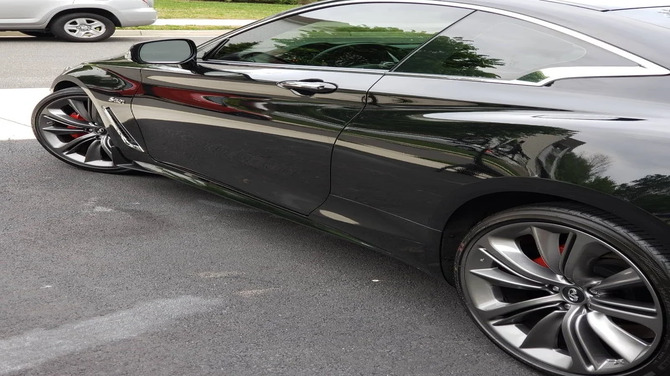
Once pollen is removed correctly, the improvement is immediate. The paint regains its clarity, glass becomes fully transparent again, and the overall look of the car feels refreshed.
More importantly, you avoid the gradual wear that comes from improper cleaning methods. It’s one of those tasks where doing it right doesn’t take much longer—but makes a noticeable difference.
Final Thoughts
Pollen may be a seasonal issue, but its impact can linger if not handled properly. The key is understanding that it’s not just another layer of dust—it requires a gentle, methodical approach.
By rinsing first, using the right tools, and maintaining a consistent cleaning routine, you can protect your car’s surfaces and keep it looking its best throughout the season. Add in a few small habits—like strategic parking and quick touch-ups—and pollen becomes much easier to manage.