


How to Recycle: Practical Steps to Reduce Waste and Save Resources
You already make choices every day that affect your waste; recycling smartly turns those choices into real results. Sort common items correctly, clean and flatten containers, and follow your local rules to ensure materials actually get recycled rather than tossed as contamination. This article will explain how recycling works, what to put in your bin, and simple habits that make your efforts count.
In this article how to recycle, Start by learning how your local system accepts paper, plastics, metals and glass and what goes to special drop-off sites. Practical tips will show you how to prepare items at home so they move smoothly through collection and processing and don’t end up in landfill.
Understanding the Recycling Process
How Recycle turns used items into raw materials, reduces landfill use, and conserves energy. Knowing what materials work, how they are collected, and how sorting happens helps you recycle correctly.
What Can and Cannot Be Recycled
You can recycle many rigid containers: clean paper, cardboard, metal cans, rigid plastic bottles and tubs labeled with common resin codes (1 and 2 are widely accepted). Glass bottles and jars also move through most systems, but they must be empty and largely free of food residue.
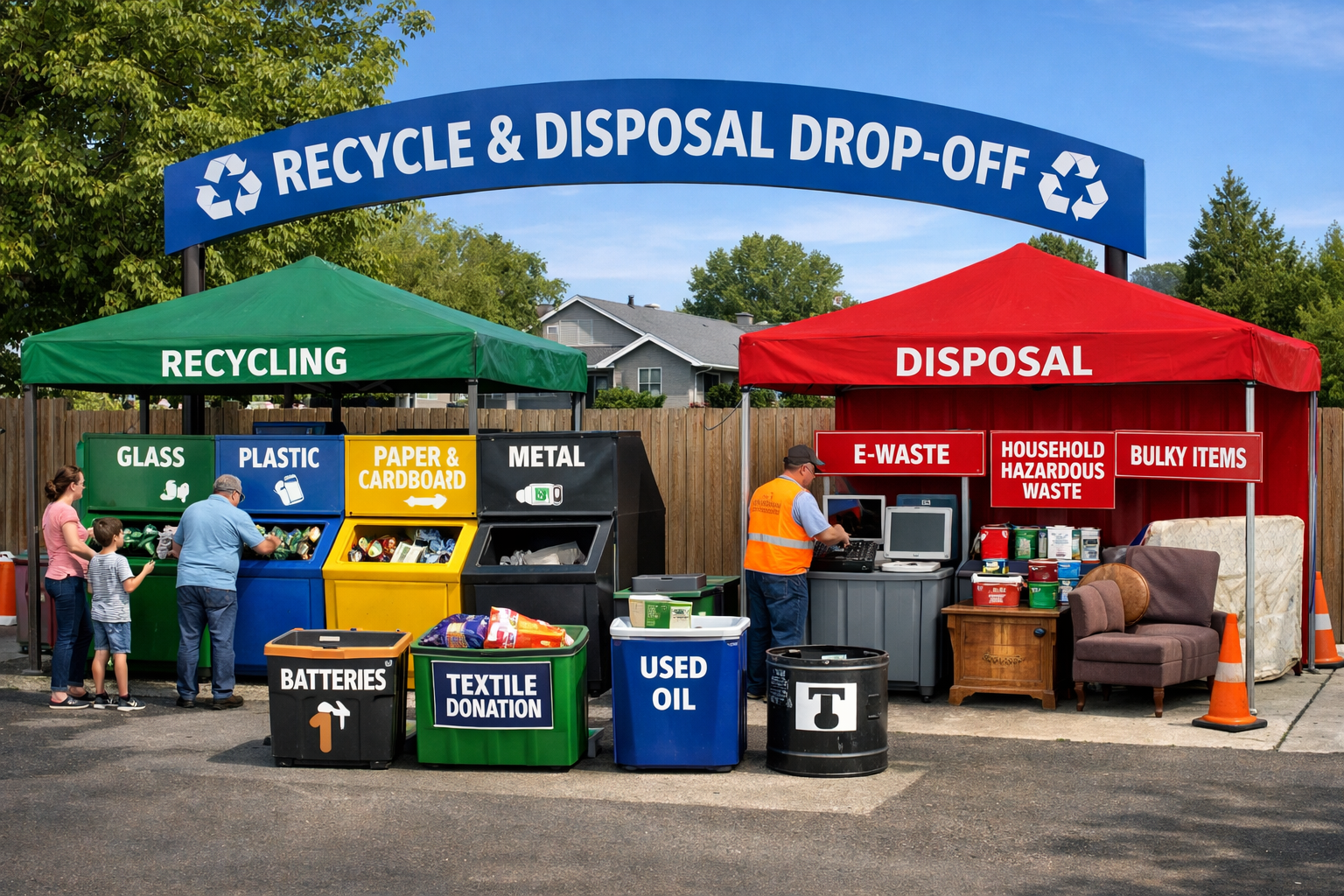
Avoid putting soiled paper (pizza boxes saturated with grease), flexible plastic film (grocery bags, shrink wrap), ceramics, and food-contaminated containers into curbside bins. Electronics, batteries, and hazardous materials require special drop-off programs. When in doubt, check your local municipality’s accepted list or a recycling app to prevent contamination that can spoil whole loads.
Types of Materials Suitable for Recycling
Paper and cardboard: office paper, newspapers, corrugated boxes, and clean paperboard. Remove food liners and flatten boxes to save space.
Metals: aluminum beverage cans and steel food cans; rinse and crush where allowed. Metals are highly recyclable and retain value through multiple cycles.
Plastics: bottles, jugs, and some tubs marked with recycling codes; caps may need to be on or off depending on your program. Rigid plastics recycle more reliably than films.
Glass: clear, brown, and green bottles and jars; keep them separate if requested by your recycler.
Organics and yard waste: accepted by many programs for composting rather than traditional recycling.
Label-specific rules vary, so confirm accepted resin codes and preparation steps with your local recycler to ensure materials actually get processed.
Collection and Sorting Methods
Collection methods include curbside pickup, drop-off depots, and deposit-return systems for bottles. Curbside programs often use single-stream (mixed recyclables) or dual/multi-stream (separated paper, containers) collection; single-stream is convenient but raises contamination risk.
At materials recovery facilities (MRFs), conveyors move recyclables through mechanical and manual sorting stations. Machines use magnets to pull ferrous metals, eddy currents to separate aluminum, and optical sorters to identify plastic types by resin. Workers perform quality checks and remove non-recyclables. Finally, sorted materials get baled or compacted and shipped to processors that clean and reprocess them into raw feedstock for manufacturers.
Practical Steps to Recycle at Home
You will learn simple actions that reduce contamination, organize recycling efficiently, and find where to drop off items your curbside service won’t accept. Follow clear sanitation practices, set up an easy sorting system, and check local rules before you toss.
Cleaning and Preparing Materials
Rinse food containers and jars to remove residue that contaminates loads. Use a quick rinse with warm water; you don’t need to sterilize, but visible food or grease must be gone. Empty and dry cardboard boxes; flatten them to save bin space.
Remove lids and pumps if your local program requests it, and crush plastic bottles to save room when allowed. Tape, greasy pizza boxes, and foam takeout often aren’t recyclable—tear off clean sections and compost or trash the rest. Check labels for specific prep instructions (e.g., remove pumps from soap dispensers).
Keep a small sink-side tub for recyclables and a brush for stuck-on labels. Label tubs at home so family members sort correctly. Small actions cut contamination and increase the chance materials actually get recycled.
Setting Up a Home Recycling System
Choose containers that match your collection schedule and space: one for paper/cardboard, one for glass/metal, and one for plastics if required. Use clear labels or color-coded bins so everyone in your household sorts consistently.
Place a small bin at high-use spots: kitchen by the sink, home office for paper, and garage for bulk items. Stackable or collapsible bins save space and make transport to curbside or drop-off easier. Keep a sealed bag or small lidded bin for items that need rinsing to avoid smells.
Make a simple checklist posted on or above bins showing accept/decline items. Rotate larger clean-outs monthly to prevent overflow. If you generate special items (batteries, electronics, soft plastics), designate a labeled container and schedule periodic drop-offs.
Locating Local Recycling Facilities
Start with your municipality’s website or waste provider to learn accepted materials, collection days, and contamination rules. Many towns publish a searchable list—enter “plastic film,” “electronics,” or “paint” to get specific guidance.
Identify three nearby options: curbside pickup, municipal drop-off, and specialty centers (electronics, hazardous waste, textile recycling). Note hours, fees, and preparation rules for each. For example, many grocery stores accept plastic bags and film, but they require the material to be clean and dry.
Use apps or state recycling databases to find accepted locations for unusual items like batteries or mattresses. Save contact info and a quick-reference map on your phone so you can drop off items when convenient.
