




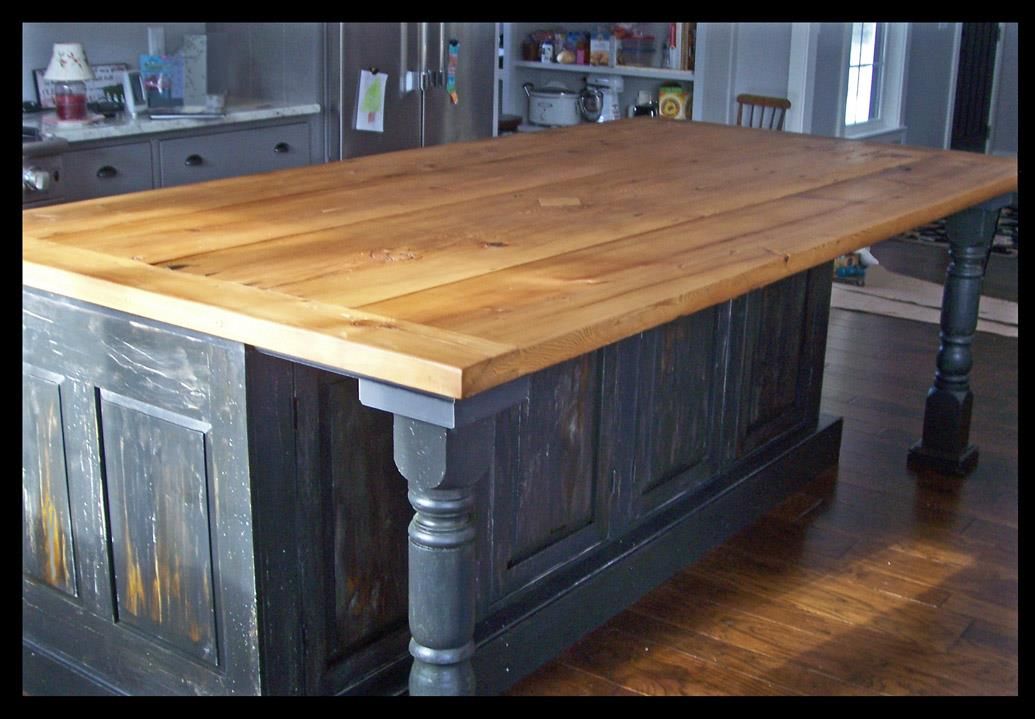
How to Identify Real Solid Wood Kitchen Island Furniture
Choosing the right kitchen island can completely change how your kitchen looks and works. A well-made island adds beauty, storage, and value to your home. But one of the biggest challenges buyers face is knowing whether they are getting real solid wood or a cheaper alternative. Many products look similar on the surface, but the quality underneath can be very different. This guide will help you understand how to identify authentic materials, what to look for when shopping, and how to make a smart investment for your kitchen.
What Does “Solid Wood” Really Mean?
When people hear the term solid wood, they often assume it means high quality. In simple terms, solid wood furniture is made entirely from natural timber, not engineered boards like MDF, particleboard, or plywood. This means the material comes directly from a tree and keeps its natural grain, strength, and durability.
Real solid wood has unique patterns, knots, and textures. No two pieces are exactly alike. This natural variation is actually a good sign because it shows the material hasn’t been artificially manufactured to look perfect. On the other hand, factory-made boards often have repeated patterns or a flat, uniform appearance.
Understanding this basic difference is the first step in identifying a true wood kitchen island.
Why Solid Wood Matters in Kitchen Furniture
A kitchen island is not just decorative. It handles daily wear from cooking, cleaning, and even dining. Because of this, the material you choose plays a huge role in how long your furniture will last.
Solid wood is known for its strength and durability. It can handle heavy use and can be repaired if it gets scratched or damaged. Unlike cheaper materials, it does not easily break or peel over time. Many homeowners also prefer it because it adds warmth and a natural feel to the kitchen space.
Another advantage is long-term value. Real wood furniture often lasts for decades and can even be refinished to look new again. This makes it a better investment compared to low-cost alternatives that may need to be replaced after a few years.
Key Signs of Real Solid Wood
Natural Grain and Texture
One of the easiest ways to identify authentic wood is by looking closely at the grain. Real wood has irregular patterns that change across the surface. You may notice knots, lines, and slight color differences. These are natural features and not flaws.
If the surface looks too perfect or identical across different parts, it may be a veneer or laminate. Engineered materials are designed to look consistent, which is the opposite of natural wood.
Weight and Feel
Solid wood furniture is usually heavier than furniture made from particleboard or MDF. When you touch it, it feels dense and sturdy. Lightweight pieces are often a sign of cheaper materials inside.
The texture also feels different. Real wood has a slightly rough or organic feel, even when polished. Artificial surfaces tend to feel overly smooth or plastic-like.
Edges and Corners
Take a close look at the edges of the furniture. Solid wood will show continuous grain patterns even around corners. In contrast, veneered furniture often has a thin layer of wood on top, and the edges may reveal a different material underneath.
This is a simple but powerful way to check authenticity when shopping in person.
Common Materials That Mimic Solid Wood
Veneer
Wood veneer is a thin layer of real wood placed over a base material like plywood or MDF. It looks similar to solid wood at first glance, but it does not have the same strength or longevity.
MDF and Particleboard
These are engineered materials made from wood fibers and glue. They are widely used because they are cheaper and easier to shape. However, they are less durable and more likely to get damaged by moisture.
Laminate
Laminate is a synthetic surface designed to look like wood. It is often used in budget furniture. While it can be attractive, it lacks the natural feel and durability of real wood.
Understanding these alternatives helps you avoid confusion when comparing different kitchen island options.
How to Check Quality Before Buying
Inspect the Back and Underside
Many manufacturers focus on making the visible parts look good. To truly understand the quality, check the back or underside of the island. Solid wood pieces will usually maintain the same material throughout.
If you see rough particleboard or a different core material, it is likely not fully solid wood.
Ask the Seller Questions
Do not hesitate to ask what type of wood is used and how the piece is constructed. Reputable sellers will provide clear and honest answers. Look for details such as oak, maple, or walnut, which are commonly used in high-quality furniture.
Look for Joinery Details
Real wood furniture often uses traditional joinery methods like dovetail joints or mortise and tenon. These techniques add strength and show craftsmanship. Cheaper furniture may rely heavily on glue or screws instead.
Popular Types of Wood Used in Kitchen Islands
Different types of wood offer different looks and durability levels. Oak is known for its strength and visible grain patterns. Maple has a smoother appearance and is very durable. Walnut is darker and adds a more luxurious feel.
Each type has its own character, but all of them provide better performance compared to engineered materials. Choosing the right one depends on your style and budget.
Signs of High Craftsmanship
A high-quality island is not just about the material. The way it is built also matters. Look for smooth finishes, even surfaces, and well-aligned parts. Drawers should open easily, and doors should fit perfectly without gaps.
Attention to detail is a strong indicator that the furniture was made with care. This usually means it will last longer and perform better in everyday use.
Long-Term Benefits of Choosing Solid Wood
Investing in real wood furniture offers several long-term advantages. It can handle heavy use, resist damage, and maintain its beauty over time. Even if it gets worn, it can be sanded and refinished instead of replaced.
It also adds value to your home. A well-crafted wood kitchen island can become a central feature of your kitchen, making the space more inviting and functional.
In addition, solid wood is often considered more environmentally friendly when sourced responsibly. It lasts longer, which reduces waste compared to frequently replacing cheaper furniture.
Common Mistakes Buyers Should Avoid
Many buyers focus only on appearance and price, which can lead to poor decisions. A low-cost option may look attractive at first but may not last long. Ignoring the material and construction details can result in buying furniture that does not meet your needs.
Another mistake is assuming that all wooden-looking furniture is made from real wood. Marketing terms can sometimes be misleading, so it is important to verify the details carefully.
Final Thoughts
Finding the right wood kitchen island requires a bit of knowledge and attention to detail. By understanding what solid wood really is and how to recognize it, you can avoid common pitfalls and make a confident choice.
Pay close attention to grain patterns, weight, construction, and material quality. Take your time to inspect the furniture and ask questions when needed. A well-chosen island made from solid wood will not only enhance your kitchen but also serve your home for many years to come.