
How Custom Flexible Packaging is Redefining Product Presentation and Business Growth
In today’s highly competitive marketplace, businesses are constantly searching for ways to stand out and create a lasting impression on customers. One of the most powerful yet often underestimated tools in this process is packaging. Among the many options available, custom flexible packaging has quickly become a preferred choice for brands that want to combine creativity, efficiency, and performance in one solution.
Modern consumers are not just buying products—they are buying experiences. The look, feel, and functionality of packaging play a major role in shaping that experience. This is where custom flexible packaging proves its value. It offers a perfect balance between visual appeal and practical usability, making it ideal for businesses across multiple industries.
Whether it’s a small startup launching its first product or an established brand expanding its product line, custom flexible packaging provides the flexibility needed to adapt to changing market demands. In this detailed guide, we will explore how this packaging solution works, why it is so effective, and how businesses can use it to improve branding, reduce costs, and enhance customer satisfaction.
What Makes Custom Flexible Packaging So Effective
A Modern Alternative to Traditional Packaging
Traditional packaging methods such as rigid boxes and containers have been used for decades, but they often come with limitations. They are bulky, expensive to transport, and less adaptable to different product types.
In contrast, custom flexible packaging is designed to be lightweight and adaptable. It can easily adjust to the shape of the product, reducing wasted space and improving efficiency. This makes it a more practical solution for modern businesses that need to optimize both cost and performance.
Flexibility in Design and Functionality
One of the biggest strengths of custom flexible packaging is its ability to be customized in countless ways. Businesses can experiment with different shapes, sizes, colors, and materials to create packaging that truly represents their brand.
This level of flexibility allows companies to design packaging that not only protects the product but also communicates its value effectively. From sleek minimalist designs to bold and vibrant layouts, the possibilities are endless.
Why Customization Matters in Competitive Markets
In crowded markets, standing out is essential. Generic packaging often fails to capture attention, while customized designs make products more memorable.
With custom flexible packaging, businesses can create a unique identity that resonates with their target audience. This helps build brand recognition and encourages repeat purchases.
Core Benefits of Custom Flexible Packaging
Cost Efficiency Without Compromising Quality
One of the main reasons businesses choose custom flexible packaging is its cost-effectiveness. Since it requires less material compared to rigid packaging, production costs are significantly lower.
Additionally, the lightweight nature of flexible packaging reduces shipping expenses. Businesses can transport more products in less space, which improves logistics and lowers overall costs.
Strong Product Protection
Despite being lightweight, custom flexible packaging offers excellent protection. Advanced materials are used to create barriers against moisture, air, and external damage.
This ensures that products remain safe and fresh throughout their lifecycle, from manufacturing to delivery.
Enhanced Branding Opportunities
Packaging is often the first interaction a customer has with a product. With custom flexible packaging, businesses can make that first impression count.
High-quality printing allows for detailed graphics, logos, and product information. This turns packaging into a powerful marketing tool that attracts attention and builds trust.
Environmentally Friendly Options
Sustainability is becoming increasingly important for consumers. Many companies are switching to custom flexible packaging because it uses fewer resources and produces less waste.
Eco-friendly materials such as recyclable films and biodegradable layers help businesses reduce their environmental impact while meeting customer expectations.
Popular Forms of Custom Flexible Packaging
Stand-Up Pouches for Retail Appeal
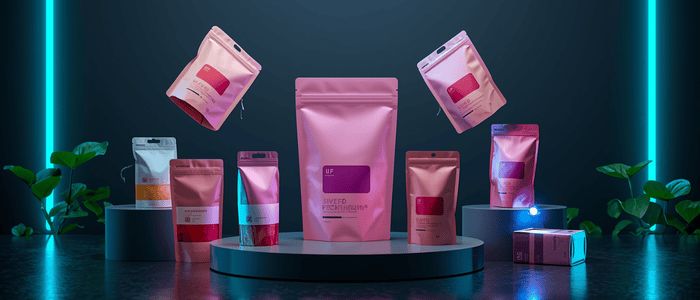
Stand-up pouches are one of the most widely used types of custom flexible packaging. They are commonly used for food, beverages, and personal care products.
These pouches are easy to display on shelves and provide enough space for branding, making them a favorite choice for retail businesses.
Resealable Packaging for Convenience
Convenience plays a big role in customer satisfaction. Resealable custom flexible packaging allows users to open and close the package multiple times without affecting product quality.
This feature is particularly useful for products that are used over time, such as snacks or household items.
Single-Use Sachets for Portability
Sachets are small, lightweight packages designed for single use. They are ideal for samples, travel products, and promotional items.
This type of custom flexible packaging is cost-effective and easy to distribute, making it a popular choice for marketing campaigns.
Vacuum Packaging for Extended Shelf Life
Vacuum packaging removes air from the package, which helps preserve freshness and prevent contamination.
This method is widely used in industries where product quality and shelf life are critical.
Designing High-Impact Custom Flexible Packaging
Understanding Customer Behavior
Effective custom flexible packaging starts with understanding your customers. What do they value? What attracts their attention?
By answering these questions, businesses can design packaging that resonates with their audience and creates a stronger connection.
Creating a Visual Identity
Your packaging should reflect your brand’s personality. Colors, fonts, and graphics should be consistent and aligned with your overall branding strategy.
Strong visual identity makes your custom flexible packaging more recognizable and helps build trust among customers.
Selecting the Right Materials
Material selection is one of the most important aspects of packaging design. Different products require different levels of protection.
In real-world scenarios, businesses often rely on professional guidance, and right in the middle of many successful packaging projects, companies like Attapack have helped brands choose the right materials and structures for custom flexible packaging without increasing complexity.
Prioritizing User Experience
Packaging should be easy to use and convenient. Features such as tear notches, zip locks, and ergonomic designs improve usability and enhance the overall customer experience.
Common Mistakes to Avoid
Many businesses fail to get the full benefits of custom flexible packaging due to avoidable mistakes.
One common issue is using low-quality materials that do not provide adequate protection. Another mistake is poor design, which makes the product look unprofessional.
Ignoring sustainability is also a major problem, as modern consumers prefer environmentally responsible brands. Avoiding these mistakes ensures that your packaging performs effectively.
Real-World Applications of Custom Flexible Packaging
Food and Beverage Industry
Food brands rely heavily on custom flexible packaging to maintain freshness and improve shelf appeal. Resealable pouches and vacuum packaging are commonly used.
E-Commerce and Retail
Online businesses benefit from lightweight packaging that reduces shipping costs and protects products during delivery.
Beauty and Personal Care
Cosmetic brands use flexible packaging to create stylish designs that attract customers and enhance brand perception.
Future of Custom Flexible Packaging
The future of custom flexible packaging is driven by innovation and sustainability.
New materials are being developed to reduce environmental impact while maintaining durability. Smart packaging features such as QR codes and digital tracking are becoming more common.
As technology advances, businesses will have even more opportunities to create unique and engaging packaging solutions.
Why Businesses Should Invest in Custom Flexible Packaging
Investing in custom flexible packaging is not just about improving packaging—it is about improving the entire customer experience.
It helps businesses reduce costs, enhance branding, and increase customer satisfaction. In a competitive market, these advantages can make a significant difference.
Companies that adopt flexible packaging solutions early are more likely to stay ahead of the competition and achieve long-term success.
Conclusion
Custom flexible packaging has become an essential part of modern business strategy. It offers a combination of flexibility, efficiency, and visual appeal that traditional packaging cannot match.
By understanding its benefits and applying the right design strategies, businesses can create packaging that not only protects their products but also strengthens their brand identity.
As consumer expectations continue to evolve, investing in custom flexible packaging is a smart decision that can drive growth, improve customer experience, and ensure long-term success.