


How Chemical Dosing Pumps Improve Accuracy in Manufacturing Plants
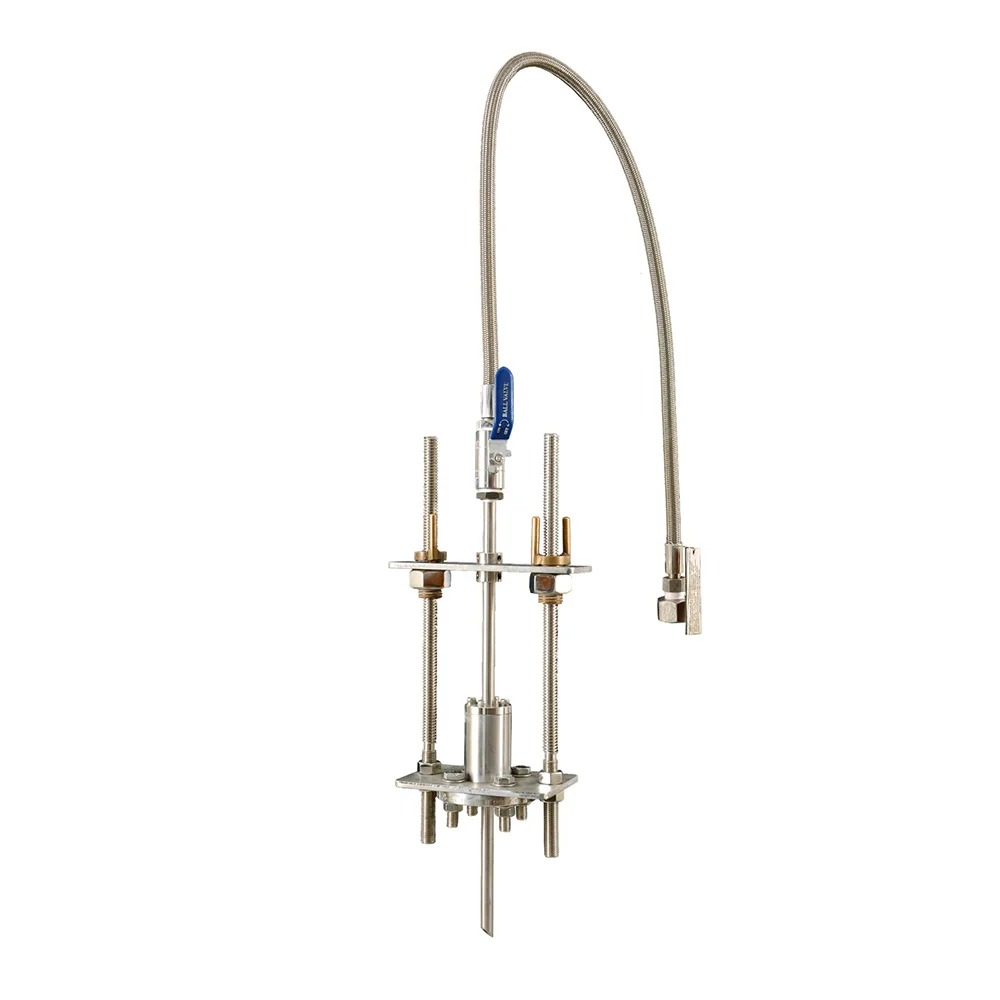
Accuracy is essential in modern manufacturing, where even slight variations in chemical dosing can affect product quality and efficiency. Maintaining precise control over chemical input ensures consistency, reduces waste, and supports stable operations. A chemical dosing pump plays a key role in delivering exact quantities of chemicals into process systems, allowing manufacturers to maintain strict control over production parameters.
As industries increasingly rely on automated systems, the demand for reliable dosing solutions continues to grow. Accurate dosing not only improves operational performance but also supports safety and compliance, making it a critical component in manufacturing environments.
The Need for Accuracy in Manufacturing Processes
Accurate chemical control is essential to maintain consistency and efficiency in manufacturing operations. Even minor variations in dosing can impact product quality, system stability, and overall performance.
- Precise Material Control – Accurate measurement of raw materials and chemicals ensures consistent production output.
- Reduced Defects and Waste – Proper dosing minimises errors, lowering rejection rates and material wastage.
- Consistent Product Quality – Controlled chemical input helps maintain uniform standards across all production batches.
- Improved Process Stability – Stable chemical levels allow systems to operate smoothly without unexpected disruptions.
- Cost Efficiency – Avoiding overuse or underuse of chemicals helps optimise operational expenses.
- Regulatory Compliance – Accurate dosing ensures adherence to industry standards and safety regulations.
- Enhanced Workplace Safety – Proper chemical control reduces the risk of hazardous conditions caused by incorrect dosing.
Understanding the Working Principle of Dosing Systems
Dosing systems, including a chemical dosing pump, are designed to deliver precise amounts of chemicals into industrial processes with controlled accuracy. Their operation ensures consistent flow and concentration, supporting stable and efficient production.
- Controlled Chemical Injection – The system delivers measured quantities of chemicals into the process stream at a consistent rate.
- Calibrated Flow Mechanism – Predefined settings regulate flow to maintain accuracy and consistency in dosing.
- Automated Control Systems – Advanced setups adjust dosing levels in real time based on changing process conditions.
- Continuous Process Optimisation – Automation allows systems to maintain efficiency without manual intervention.
- Integration with Monitoring Systems – Sensors and control units track performance and ensure accurate operation.
- Error Reduction – Automated adjustments minimise human errors and improve system reliability.
- Stable Flow and Delivery – Consistent flow rates help maintain uniform chemical concentration throughout the process.
Key Features That Support Accurate Chemical Injection
Precision Flow Control
Accurate dosing depends heavily on the ability to regulate flow with precision. Systems designed for this purpose ensure that the exact quantity of chemical is delivered at the right time, maintaining consistency throughout the process.
Consistent Pressure Management
Stable pressure levels are essential for maintaining uniform dosing. Variations in pressure can affect flow rates, leading to inconsistencies. Well-designed systems include mechanisms to maintain steady pressure, ensuring reliable performance.
Automated Monitoring Systems
Automation plays a significant role in maintaining accuracy. Monitoring systems track performance in real time, allowing for immediate adjustments when needed. This ensures that dosing remains consistent even under changing conditions.
Together, these features create a system capable of delivering precise and reliable chemical injection, supporting high-quality manufacturing outcomes.
Benefits of Using Dosing Pumps in Manufacturing Plants
The use of dosing systems offers several advantages that directly impact manufacturing efficiency and product quality.
- Improved Product Quality: Accurate dosing ensures that the correct proportions of chemicals are used, resulting in consistent and high-quality output.
- Reduced Waste: Precise control minimises the risk of overuse or spillage, leading to better resource utilisation.
- Enhanced Process Control: Automated systems provide greater control over production, allowing for adjustments based on real-time data.
- Operational Efficiency: Reliable dosing reduces downtime and improves overall productivity.
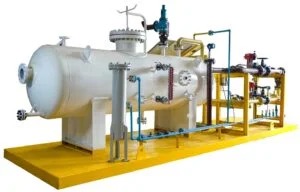
In addition to these benefits, dosing systems support better integration with other industrial equipment. For example, in processes involving separation systems, maintaining the correct chemical balance is essential for optimal performance. This is particularly relevant in setups that include an oil and gas separator, where accurate dosing contributes to efficient separation and improved output quality.
By ensuring consistency and control, dosing systems play a vital role in modern manufacturing environments.
Applications Across Industrial Sectors
Dosing systems are widely used across various industries, each requiring precise chemical control for efficient operation.
- Chemical Processing: Accurate dosing ensures that reactions occur under controlled conditions, maintaining product consistency.
- Water Treatment: Proper chemical injection is essential for maintaining water quality and meeting regulatory standards.
- Oil and Gas Operations: Dosing systems help manage corrosion, scaling, and other process challenges. In systems involving an oil and gas separator, precise chemical input supports effective separation and system stability.
- Manufacturing Plants: From coatings to production lines, dosing systems ensure uniform application and consistent results.
The versatility of these systems makes them suitable for a wide range of applications, highlighting their importance in industrial processes.
Factors Affecting Dosing Accuracy
Several factors can influence the accuracy of dosing systems, making it important to consider each element carefully.
- Equipment Calibration: Regular calibration ensures that the system delivers the correct मात्रा of chemicals.
- Fluid Characteristics: Viscosity, temperature, and composition can affect flow behaviour, impacting accuracy.
- System Design: Proper design ensures that all components work together efficiently.
- Environmental Conditions: External factors such as temperature and pressure can influence system performance.
Understanding these factors helps in maintaining consistent and reliable dosing, ensuring optimal system performance.
Best Practices for Maintaining Accuracy
Maintaining accuracy requires a combination of proper setup and ongoing management.
- Regular Maintenance: Routine checks ensure that all components function correctly and efficiently.
- System Monitoring: Continuous monitoring helps identify any deviations early, allowing for timely adjustments.
- Proper Installation: Ensuring correct installation is essential for achieving optimal performance.
- Operator Awareness: Skilled operators play a key role in maintaining system accuracy and efficiency.
By following these practices, manufacturers can ensure that their dosing systems continue to deliver precise and reliable results.
Conclusion
Maintaining accuracy in manufacturing processes is vital for ensuring consistent quality, operational efficiency, and system reliability. Precise dosing systems provide the control required to manage chemical inputs effectively across various industrial applications. A chemical dosing pump supports this by delivering accurate and consistent chemical injection, helping to maintain stable process conditions.
With increasing complexity in industrial systems, reliable dosing solutions remain essential for achieving long-term efficiency. By adopting well-designed systems and proper maintenance practices, manufacturers can ensure optimal performance. NND OIL & GAS provides solutions that support accurate and efficient process operations.
