
Electric Panel Replacement Near Me: Fast, Certified Service and Upgrades
If your home shows flickering lights, tripped breakers, or uses old fuses, you probably need a local electrical panel replacement to keep power flowing safely. A licensed electrician can assess your electrical panel, handle permits and inspections, and replace the panel to meet current codes—reducing fire risk and improving capacity for modern appliances.
In this post Electric Panel Replacement Near Me, you’ll learn what a replacement involves, how contractors handle permits and inspections, and what costs and safety benefits to expect so you can choose the right pro. This article walks through practical steps, typical timelines, and questions to ask when searching for “electric panel replacement near me,” so you feel confident about the process and outcome.
Electric Panel Replacement Near Me: What to Expect
You’ll learn how local technicians work, the common signs that justify a replacement, and how to choose licensed electricians that meet code and safety standards. Expect clear timelines, permit needs, and costs that depend on panel size and existing wiring.
Local Electric Panel Replacement Process
A licensed electrician first inspects your service entrance, meter location, grounding, and existing breaker or fuse panel. They’ll note the panel rating (e.g., 100A vs 200A), condition of branch circuits, and any code violations that require correction.
You’ll receive a written quote that lists labor, parts (main breaker, bus bar, breakers), permit fees, and possible additional work like service mast replacement or meter relocation. Typical on-site work takes 4–8 hours for a straightforward swap; complex jobs with new service, subpanels, or rewiring can take a day or more.
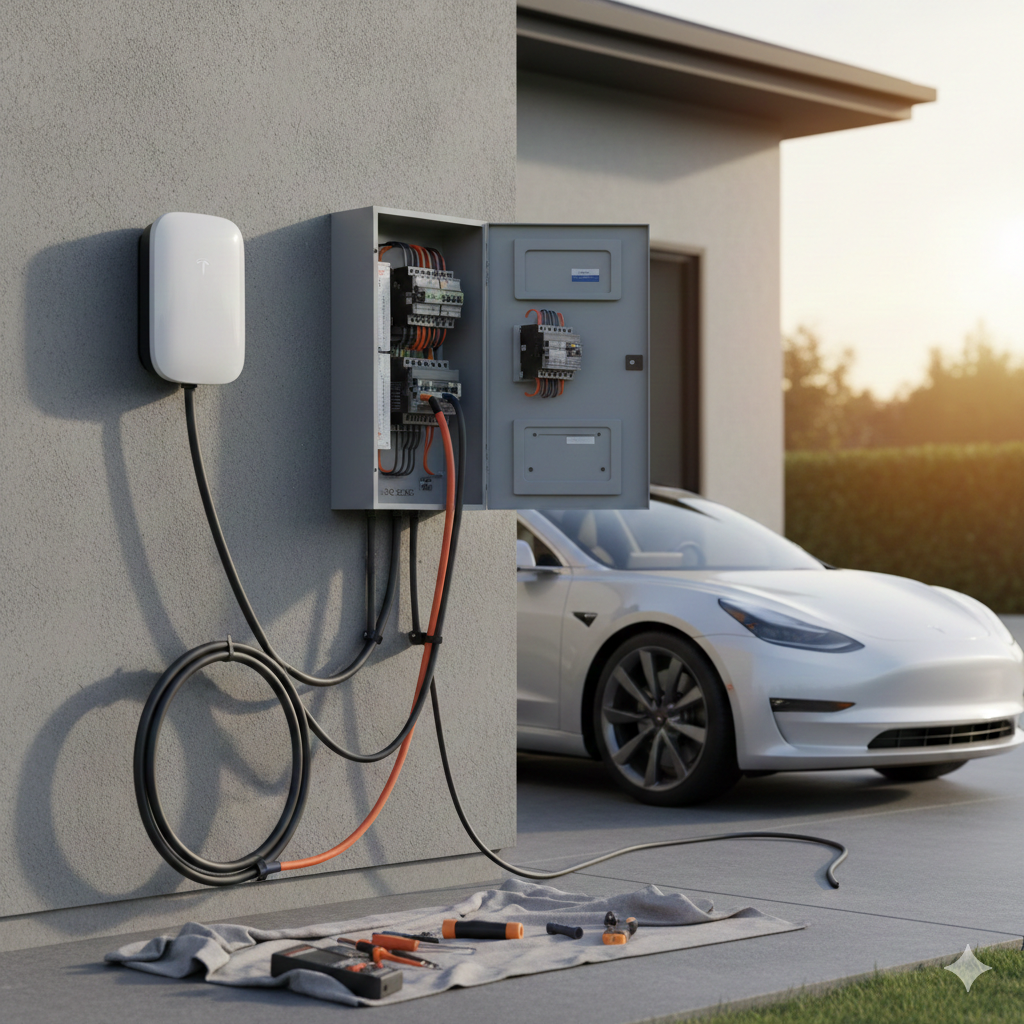
During installation, the crew shuts off power at the main, removes the old panel, mounts and grounds the new panel, re-terminates circuits, and tests each breaker and the grounding system. Expect an electrical inspection by your municipality and a final sign-off before power is fully restored.
Signs You Need Panel Replacement
Circuit breakers that trip frequently or fuses that blow repeatedly indicate the panel may be undersized or failing. You should also watch for warm or discolored panel covers, burning odors near the panel, or buzzing sounds—these are immediate safety concerns.
If your panel is a Federal Pacific, Zinsco, or another recalled brand, replace it regardless of current symptoms. Upgrading is appropriate when you add major appliances (electric ranges, EV chargers, heat pumps) and your current panel lacks capacity, often requiring a move from 100A to 200A.
Visible rust, corrosion, double-tapped breakers (two conductors under one breaker lug), or DIY wiring hacks are valid reasons to replace the panel promptly. Document and photograph issues to share with the electrician before work begins.
Choosing Qualified Electricians Near You
Verify the electrician holds a current license with your provincial/state electrical authority and carries general liability and worker’s compensation insurance. Ask for the company’s ESA (or local equivalent) number and recent municipal permit history for similar jobs.
Request written estimates from at least three contractors and compare: scope of work, panel brand and amperage, included permits, inspection handling, and warranty on labor and parts. Check online reviews and ask for references from recent panel replacements in homes like yours.
Confirm the electrician follows local code (e.g., CSA in Canada, NEC in the U.S.), will secure required permits and inspections, and provides a clear timeline. Get the final price and payment schedule in writing before work starts.
Cost, Safety, and Long-Term Benefits of Replacing Your Electric Panel
Replacing your electric panel affects three main things: what you’ll pay now, how well your home is protected from electrical hazards, and how well your system meets modern electrical demands. Expect a mix of one-time expenses and lasting improvements to safety and capacity.
Factors Influencing Replacement Costs
Costs typically range from about $1,500 to $4,000, but your final price depends on specific factors that professionals assess.
- Panel amperage: Upgrading from 100A to 200A often adds several hundred to over a thousand dollars for the new panel and labor.
- Permit and inspection fees: Local permits and required inspections usually add $100–$400