


Drain Cleaning: Professional Techniques for Fast, Long-Lasting Results
Clogged or slow drains interrupt your day, but you can often fix and prevent most problems without calling a plumber. You’ll learn simple, safe steps to clear blockages, when to use DIY tools or cleaners, and the signs that mean you should call a pro.
This post Drain Cleaning walks through the basics of how drains get blocked, practical techniques you can try at home, and what professional services offer for stubborn or recurring issues. Follow along to save time, avoid damage, and keep your pipes running smoothly.
Drain Cleaning Basics
You’ll learn what drain clean means, which drains you likely have in your building, and the primary causes of blockages so you can choose the right fix. Expect clear differences between kitchen, bathroom, and main sewer issues and practical causes to watch for.
What Is Drain Cleaning?
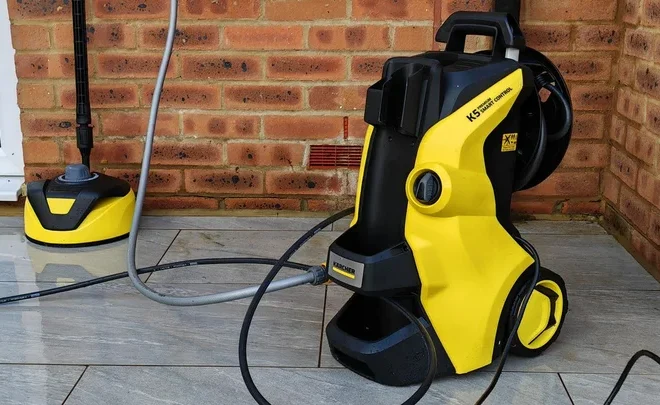
Drain cleaning is the process of removing obstructions and buildup from pipe interiors so wastewater flows freely. It includes mechanical methods (plungers, drain snakes, motorized augers), chemical options (enzyme or caustic cleaners), and professional techniques like hydro jetting and camera inspection.
You should match the method to the problem. Use a plunger or physical removal for localized clogs, enzymatic cleaners for organic buildup, and hydro jetting for heavy grease or mineral scale. Camera inspection helps locate deep or recurring blockages and assesses pipe damage before costly repairs.
Consider pipe material and age before applying chemicals or high-pressure methods. PVC tolerates most mechanical cleaning, while older clay or cast-iron pipes may need gentler approaches to avoid cracks.
Types of Drains in Residential and Commercial Properties
Identify the common drain types so you pick the right tool and treatment.
- Kitchen sink drains: Handle grease, food particles, and soap buildup. They often clog near the P-trap.
- Bathroom drains: Include sinks, tubs, showers, and toilets. Hair, soap scum, and personal-care products commonly accumulate here.
- Floor drains and laundry drains: Collect lint, detergent residue, and solids from utility areas.
- Main sewer lines: Connect multiple fixtures; tree roots, solid waste, and collapsed sections cause major backups.
- Commercial drains: Often larger-diameter, handle heavier solids, fats, oils, and high flow; they may require grease traps and scheduled maintenance.
You should note access points: cleanouts on main lines enable professionals to reach deep blockages, while sink and tub access is usually limited to P-trap removal or localized snaking.
Common Causes of Drain Blockages
Recognizing common causes helps you prevent and address clogs effectively.
- Hair and soap scum: Combine to form dense mats in bathroom drains, slowing flow.
- Grease and food waste: Solidify in kitchen pipes, especially at cooler sections or P-traps.
- Foreign objects: Cotton swabs, wipes, and small toys can lodge in traps or narrow sections.
- Mineral scale and corrosion: Hard water deposits narrow pipes over time and promote recurring clogs.
- Tree roots: Seek moisture and invade sewer joints, causing slow drains and backups.
- Structural failures: Collapsed, offset, or bellied pipes trap debris and impede flow.
Preventive steps target these causes: use strainers, avoid pouring grease down sinks, dispose of wipes properly, and schedule inspections if you live in an older building or have recurring issues.
Professional and DIY Drain Cleaning Solutions
You can tackle many clogs yourself with the right tools and safe chemicals, but some blockages require professional equipment or expertise. Know the limits of manual methods and chemical cleaners, and watch for signs that mean you should call a plumber.
Manual Drain Cleaning Methods
Manual methods include plunging, using a drain snake (manual or auger), and removing and cleaning the trap under sinks.
Use a cup plunger for sinks and a flange plunger for toilets; create a tight seal and push/pull firmly for 10–20 strokes. Plungers work best for soft clogs near the drain opening.
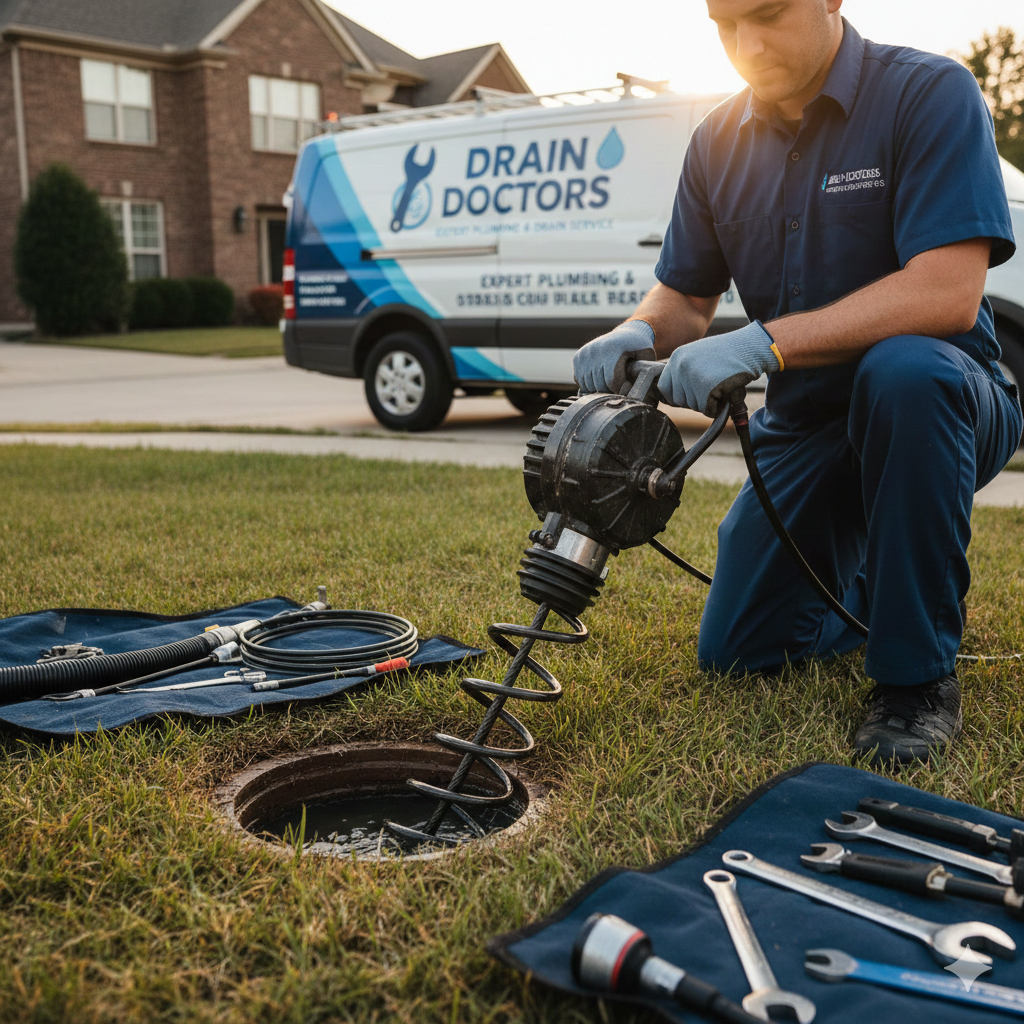
A hand-crank drain snake reaches deeper blockages. Feed the cable slowly, rotate clockwise when you meet resistance, then retract while continuing rotation to pull debris out. Use a bathroom snake (3–6 ft) for sinks and a longer auger for main lines.
Removing the P-trap clears hair and food buildup quickly. Place a bucket under the trap, loosen slip nuts, and clean the curved section. Wear gloves, and reassemble carefully to avoid leaks.
Pros: inexpensive, low-risk for pipes, immediate results on simple clogs. Cons: limited reach, physically demanding, can struggle with tree roots or grease build-up in main lines.
Chemical and Enzymatic Drain Cleaners
Chemical cleaners (lye- or acid-based) dissolve organic matter quickly but are highly caustic. Follow label instructions, use goggles and gloves, and never mix products; mixing can create toxic gases or violent reactions.
Enzymatic and bacterial cleaners use enzymes to digest organic buildup slowly. They work well as preventive maintenance or on recurring slow drains. Expect results over hours to days rather than instantly.
Choose based on pipe material: strong caustics can damage older PVC, rubber seals, and septic systems. Enzymatic formulas are septic-safe and gentler on pipes. Always flush with water after treatment and ventilate the area.
Limit chemical use if you plan to call a plumber; residue can harm technicians and equipment.
When to Call a Professional Plumber
Call a plumber if multiple fixtures clog at once, water backs up into other drains, or you smell sewage—these indicate main-line issues. Also hire a pro for recurring clogs that return within days despite correct DIY steps.
Schedule professional help when you suspect tree root intrusion, collapsed pipes, or when video inspection is needed to locate the blockage. Plumbers use hydro-jetting, motorized drain augers, and camera inspection to clear and diagnose problems safely.
Emergency signs: sewage overflow, gurgling toilets, or sudden loss of water flow after a major clog. Expect technicians to assess pipe condition, offer targeted repairs, and provide preventative measures like periodic hydro-jetting or scheduled maintenance.