


Copperwood Neighborhood Development: Market Trends and Investment Outlook
You’ll find Copperwood described in different ways—an architectural fabricator, a specialty millwork shop, and a property manager—so this article guides you through what Copperwood actually does and how that might matter for your project or search for rentals. Copperwood combines in-house millwork and partnerships across stone, glass, and upholstery to deliver tailored finish packages and individual pieces for both commercial and residential work.
If you’re evaluating contractors, designers, or rental options, this piece breaks down Copperwood’s core services, typical applications, and where it fits in the design and construction process so you can decide whether to contact them or look elsewhere.
What Is Copperwood?
Copperwood refers to a specific copper-mining project in Michigan’s Upper Peninsula and also names used in other contexts like plant cultivars; the following subsections explain its origin, where it exists, and why it matters ecologically.
Origin and Meaning of Copperwood
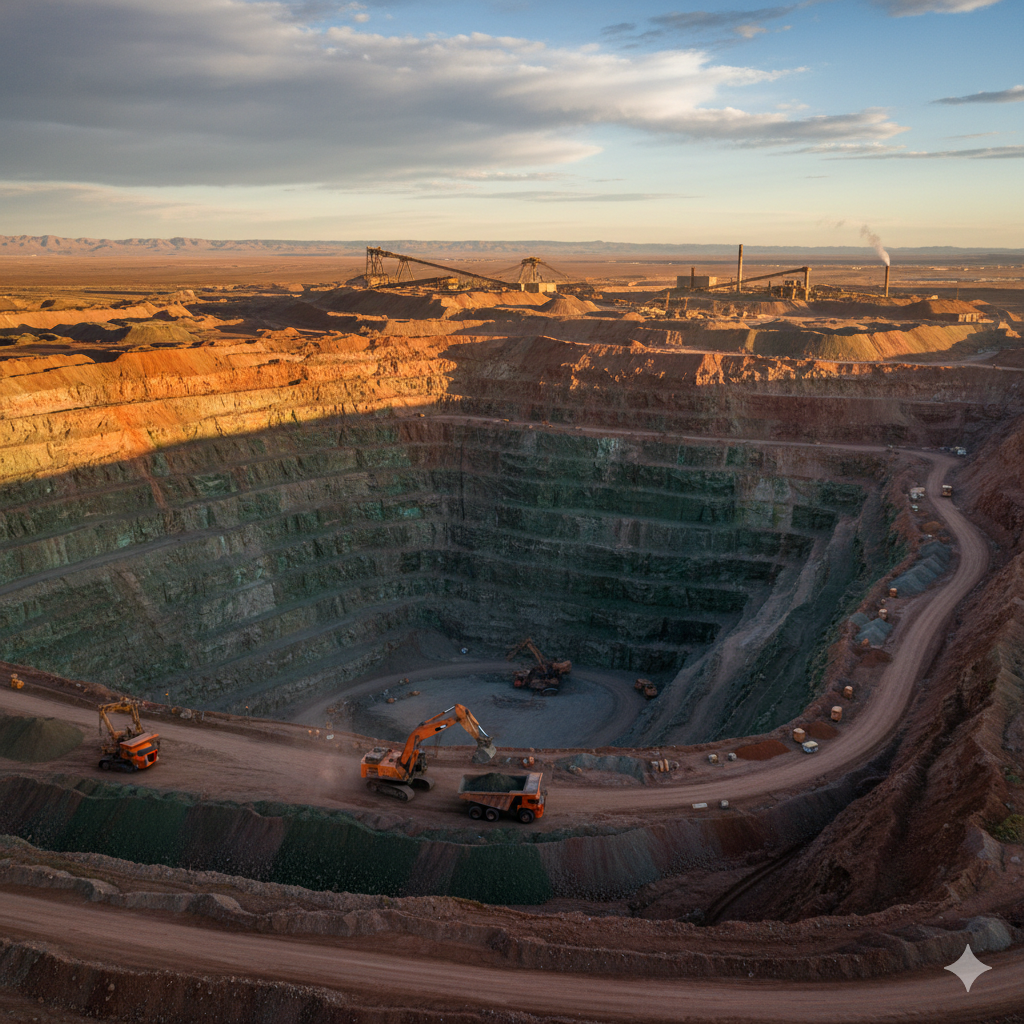
Copperwood primarily denotes a copper deposit and mining project developed by Highland Copper in Gogebic County, Michigan. The name combines the region’s historic copper mining heritage with local place names; it does not refer to a processed material or a commercial wood product. You should note that Copperwood as a project dates from Highland Copper’s acquisition of the site and earlier exploration phases inherited from previous owners. Permits, engineering studies, and early site work—such as wetland mitigation and stream diversion—have shaped its development timeline. When people discuss Copperwood in mining contexts, they refer to a pre-construction, permitted project focused on extracting copper from sediment-hosted stratiform deposits.
Geographical Presence and Locations
You will find the Copperwood Project in the western Upper Peninsula of Michigan, in Wakefield and Ironwood Townships, Gogebic County, near the shore of Lake Superior and adjacent to the Porcupine Mountains Wilderness State Park. The deposit sits on the flank of the Mesoproterozoic Midcontinent Rift and is hosted primarily in the Nonesuch Formation. The project area includes access roads, proposed site facilities, and areas where early site work has occurred. Highland Copper also operates or partners on nearby projects such as White Pine; together these form a regional cluster of copper development activity in Ontonagon and Gogebic counties.
Ecological Significance
You should consider wetlands, streams, and proximity to protected lands when assessing Copperwood’s ecological footprint. The project required a Wetlands and Streams Permit and implemented mitigation measures, including construction of replacement wetland areas and stream diversion structures during early site work. Local ecosystems include boreal forest, surface waters that flow toward Lake Superior, and habitat used by regional wildlife. Monitoring, reclamation planning, and adherence to permit conditions aim to reduce impacts, but stakeholders remain focused on water quality, wetland function, and potential effects on adjacent protected areas.
Uses and Applications of Copperwood
Copperwood finds roles in structural, decorative, and environmental contexts due to its treated durability, mineral-resource associations, and use in specialty fencing and agricultural structures. You’ll see it in construction, indoor furnishings, and areas where ecological and cultural impacts matter.
Building and Construction Uses
You can use Copperwood for exterior structures where decay resistance matters, such as fence posts, decking, and greenhouse frames. Treated with copper-based preservatives like copper naphthenate or other copper compounds, it resists fungal rot and many wood-boring insects, which extends in-ground and above-ground service life.
Specify treatment type and retention level for load-bearing or ground-contact applications to meet building codes. For projects near potable water or food production, choose preservatives approved for those settings and follow manufacturer and local regulatory guidance. Fasteners and connectors should be corrosion-resistant (stainless steel or hot-dip galvanized) because copper treatments can increase metal corrosion rates.
Furniture and Interior Design
You can select Copperwood for outdoor and semi-outdoor furniture where longevity matters, such as benches, planters, pergolas, and beehive stands. Its preservative treatment reduces maintenance compared with untreated wood and minimizes staining and leaching when appropriate formulations are used.
For indoor furniture, use Copperwood only if the treatment is rated for interior use and off-gassing risks are acceptable; otherwise choose untreated or alternative finished woods. Finish choices (oils, exterior paints, or clear sealers) affect appearance and maintenance cycles. Match joinery and fasteners to treated wood to avoid accelerated corrosion and to preserve structural integrity over time.
Environmental and Cultural Importance
You should evaluate Copperwood projects for wetland and waterbody proximity, especially near sensitive sites like Lake Superior where mining and industrial water use have drawn scrutiny. Extractive projects named Copperwood (mining) also raise concerns about hydrology, stream and wetland disturbance, and long-term landscape change, so assess site studies and feasibility reports carefully.
Copper-based preservatives are widely used and considered effective, but you must follow label directions and local regulations to limit environmental release. When sourcing Copperwood materials, consider lifecycle impacts: treatment type, responsible harvesting, and whether the wood supports local conservation or cultural values in your community.