


Condo Renovation Toronto: Expert Guide to Modern Upgrades and Permits
You can renovate a Toronto condo without surprises by planning around building rules, realistic budgets, and local contractor expertise. Focus on permit requirements, condo corporation approvals, and a detailed scope of work up front to keep the project on time and on budget.
This post Condo Renovation Toronto walks you through practical planning steps, cost expectations for common upgrades like kitchens and bathrooms, and how to choose contractors who handle permits and insurance. Use these insights to protect your investment and get the finished space you want.
Planning Your Condo Renovation in Toronto
You need to confirm rules, set a realistic budget, choose a contractor experienced with Toronto condos, and plan designs that maximize limited space. Prioritize approvals, timelines, and building-specific logistics before ordering materials or booking trades.
Understanding Toronto Condo Regulations
Toronto condos are governed by the Condominium Act, your corporation’s declaration, bylaws, and rules. You must get written approval from the condo board or property manager for any alteration that affects common elements, building systems, or exterior finishes.
Many buildings require a detailed renovation application package: scope of work, drawings, engineer’s reports (for structural changes), proof of contractor insurance, worker conduct rules, and a damage deposit. Check timing restrictions for noisy work and elevator booking requirements; some buildings limit construction hours and require service elevator reservations.
Permits from the City of Toronto are separate from condo approvals. You need building permits for structural, plumbing, and major electrical changes. Coordinate permit timelines with condo approval to avoid project delays.
Setting a Renovation Budget
Start with a line-item budget that separates permit/approval costs, contractor labour, materials, and contingency. Typical line items: design fees, engineering reports, permit fees, condo deposits, demolition, trades (electrical, plumbing, HVAC), finishes, and garbage/elevator fees.
Aim for a contingency of 10–20% for unforeseen issues like concealed water damage or non-compliant systems. Get at least three written estimates from contractors and compare hourly rates, scope clarity, and allowances for finishes rather than lowball quotes.
Factor in soft costs: temporary accommodations if work is extensive, increased utility usage, and potential HOA special assessments. Track expenditures against the budget weekly to catch overruns early.
Selecting a Renovation Contractor
Choose contractors who have documented experience in Toronto high-rise condos. Ask for references from projects in the same building type and confirm they carry at least $2–5 million in liability insurance and WSIB coverage for workers.
Request a written contract that lists a detailed scope, fixed-price line items, payment schedule tied to milestones, warranty terms, and a dispute-resolution clause. Confirm who coordinates condo requirements: protection of common areas, elevator bookings, delivery windows, and on-site supervision.
Verify the contractor’s process for unexpected findings and change orders. Prefer contractors who provide an on-site project manager and a weekly progress schedule that aligns with condo-mandated work hours.
Design Strategies for Small Condo Spaces
Maximize perceived space by prioritizing multi-functional furniture and integrated storage. Use vertical storage solutions, built-in cabinets to ceiling height, and full-height mirrors to increase visual depth.
Open-concept layouts work well if building rules allow non-load-bearing wall removal; consult a structural engineer first. Choose light, neutral finishes and consistent flooring to create flow. Use pocket doors or sliding panels to save swing space in bathrooms and bedrooms.
Plan mechanical and plumbing placements to avoid costly relocations. Select compact appliances and wall-mounted fixtures to free floor area. Create focused zones—sleeping, working, entertaining—using rugs, lighting layers, and partial-height dividers instead of full walls.
Popular Condo Renovation Elements
Focus on upgrades that maximize usable space, improve daily comfort, and follow condo board rules. Prioritize durable finishes, efficient layouts, and systems that add convenience without compromising building regulations.
Kitchen and Bathroom Upgrades
You should pick materials and layouts that increase function in small footprints. In kitchens, choose full-extension drawers, under-cabinet lighting, and a 24–30 inch dishwasher or drawer dishwasher to save space and improve workflow. Select quartz or porcelain countertops for stain resistance and low maintenance; pair with a shallow undermount sink to free counter area.
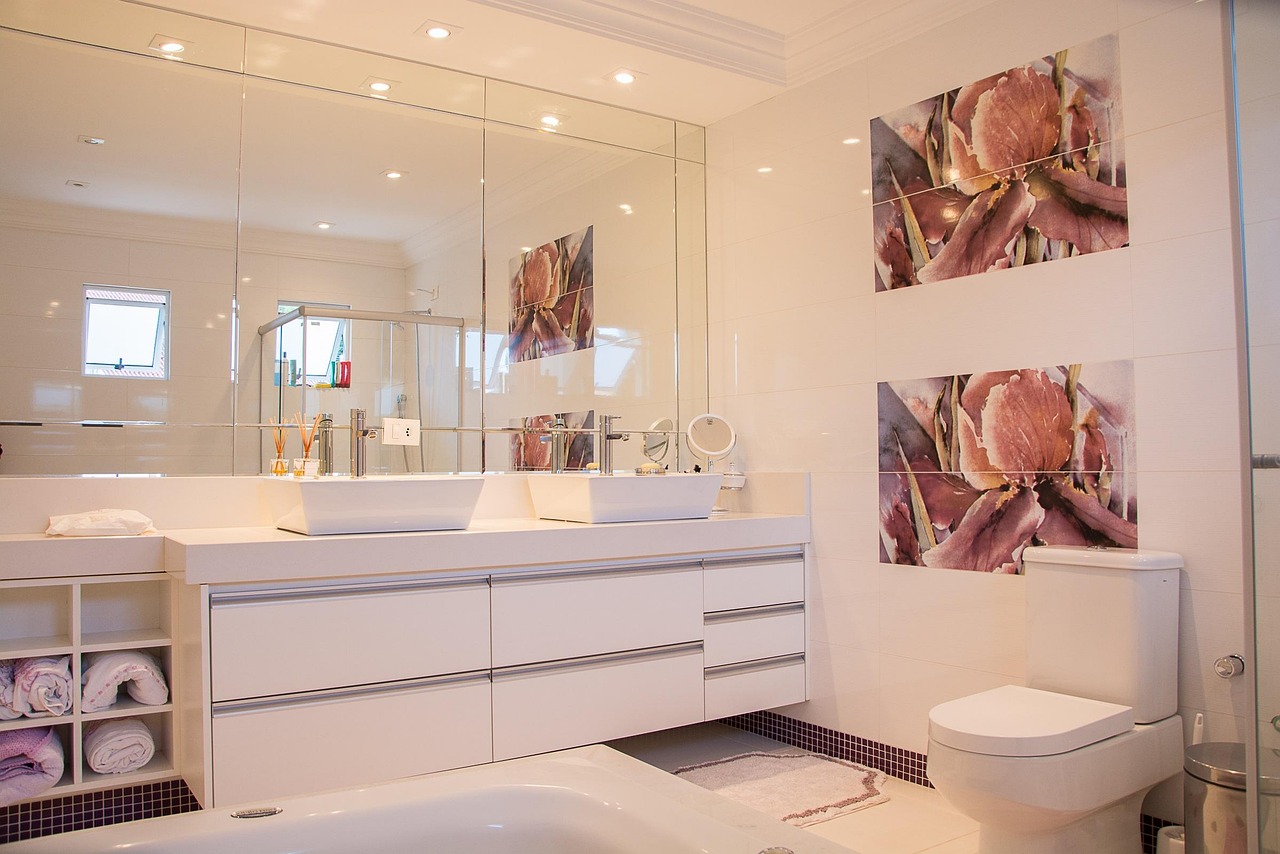
For bathrooms, install a glass shower enclosure to make the room feel larger and use wall-hung or compact vanities to increase floor space. Opt for a 4.8–6.0 L dual-flush toilet to reduce water use without sacrificing performance. Prioritize ventilation upgrades—install or upgrade an exhaust fan rated for the bathroom size to prevent moisture issues.
Open-Concept Living Spaces
You can create a sense of space by removing non-structural walls and choosing consistent flooring. Replace bulky bookcases with slim, built-in shelving that integrates storage without encroaching on living area. Use continuous plank flooring (vinyl or engineered hardwood) to visually expand the floor plane across kitchen and living zones.
Define areas with lighting and furniture rather than walls: pendant lights over an island, area rugs under a seating group, and a low-profile media console. Coordinate finish palettes—three-tone limit (main, accent, trim)—to keep the visual field calm and cohesive. Confirm any wall removal with a structural engineer and the condo board before work begins.
Smart Home Integration
You should focus on reliable devices that improve convenience and security while fitting condo rules. Install a smart thermostat compatible with your HVAC (or a smart radiator valve if building-wide systems restrict thermostat changes). Use a smart lock with physical key backup and integration into your phone for guest access.
Integrate smart lighting via wireless switches or smart bulbs to avoid rewiring; choose platforms that work with your voice assistant. Add water-sensor alarms under sinks and behind appliances to detect leaks early. Centralize controls through a single hub or app to reduce device sprawl and simplify troubleshooting.
Sustainable Renovation Choices
Prioritize long-term savings and lower environmental impact through targeted choices. Choose low-VOC paints and formaldehyde-free cabinetry to improve indoor air quality. Specify high-efficiency LED lighting and Energy Star appliances to cut electricity use without sacrificing performance.
Select durable, repairable flooring like engineered hardwood or luxury vinyl plank to extend lifecycle and reduce waste. If replacing windows, pick double-glazed units with low-e coating that meet the building’s exterior guidelines. Consider reclaimed or FSC-certified wood for visible finishes when feasible and allowed by your condo board.