



Building Integrated Photovoltaics BIPV: Practical Design Strategies and Performance Insights
You can turn roof, façade, or window surfaces into functioning parts of your building that generate electricity while serving structural or aesthetic roles. Building integrated photovoltaics BIPV replace conventional building materials with solar-generating components, letting your project produce clean power without adding bulky panels.
Expect practical guidance on how Building Integrated Photovoltaics BIPV works, where it fits in a building envelope, and what trade-offs to weigh when blending energy performance with design. This article breaks down the technical basics, real architectural applications, and the benefits that make BIPV a compelling option for sustainable buildings.
Fundamentals of Building Integrated Photovoltaics
BIPV integrates electricity-generating materials directly into building elements to replace conventional cladding, glazing, or roofing. Expect to learn what BIPV is, the main system types you’ll encounter, and the core technologies and components that determine performance and cost.
Definition and Core Principles
BIPV are photovoltaic materials that form part of the building envelope—roof, façade, or windows—so they perform both as building material and as power generators. You should view BIPV as a functional replacement for conventional construction elements, not just rooftop add-ons.
Core principles include structural integration, aesthetic compatibility, and energy yield. Integration means modules must meet load, fire, and weatherproofing requirements. Aesthetic compatibility covers module color, transparency, and form factor to match architectural intent. Energy yield depends on orientation, tilt, shading, and the chosen PV technology (crystalline, thin-film, or emerging cells). You’ll balance these factors against lifecycle cost, maintenance access, and local building codes when specifying BIPV.
Types of BIPV Systems
BIPV systems fall into several practical categories based on their placement and function:
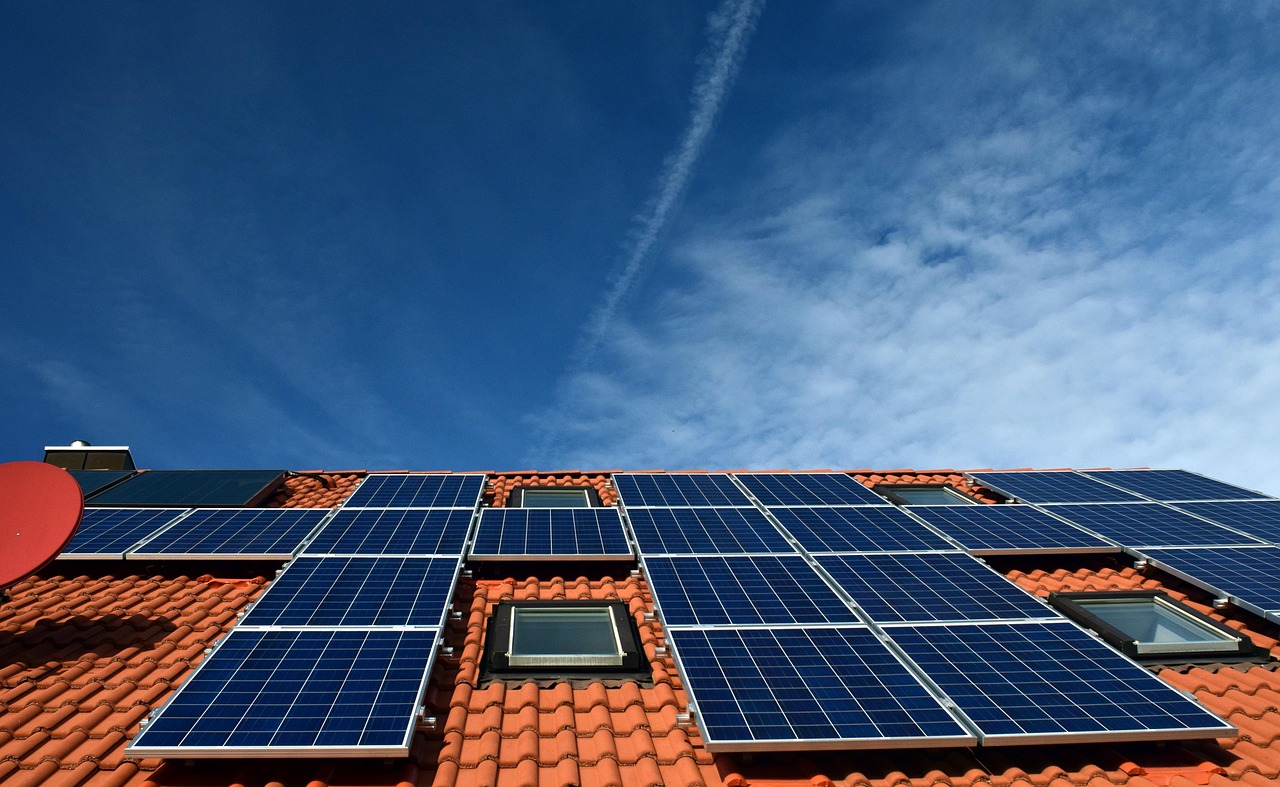
- Roof-integrated: replaces tiles, metal panels, or skylights. Offers high incident irradiance and often the highest energy per area.
- Façade-integrated: vertical or inclined cladding that adds passive solar control and can incorporate semi-transparent modules.
- Window and skylight BIPV: uses semi-transparent or thin-film PV to preserve daylight while generating power.
- Canopies and shading devices: integrate PV into sunshades, pergolas, and parking structures for dual shading and generation.
You’ll choose type based on available surface area, desired daylighting, and building orientation. Each type demands different structural supports, waterproofing strategies, and connection details, which affect installation complexity and cost.
Key Components and Technologies
A BIPV system includes PV modules, mounting/integration elements, electrical balance-of-system, and control/monitoring equipment.
- PV modules: options include mono- or polycrystalline silicon, thin-film (CIGS, CdTe), and semi-transparent or bifacial cells. Select based on efficiency, weight, flexibility, and appearance.
- Integration hardware: flashing, rails, sealants, and structural supports must maintain weather tightness and comply with fire and wind-load standards.
- Electrical components: inverters (string, microinverters, or power optimizers), wiring, junction boxes, and safety disconnects adapt the DC output to building use or grid export.
- Monitoring and controls: performance meters, shading analysis, and building energy management systems help optimize generation and detect faults.
You must consider thermal behavior, potential hot spots, and maintenance access. Material compatibility (e.g., galvanic corrosion risks) and local regulations will drive specific component choices.
Benefits and Architectural Integration
BIPV replaces traditional envelope materials with electricity-producing elements while contributing to thermal performance, daylighting, and building aesthetics. You gain power generation, material savings, and design options that can influence façade geometry, glazing ratios, and roof structure.
Energy Generation and Efficiency
You get on-site electricity that reduces grid demand and lowers operational energy costs. BIPV modules integrated into roofs, façades, and skylights convert sunlight directly; high-performance crystalline modules typically yield the greatest watt-per-area, while thin-film or semi-transparent cells suit glazing and daylighting needs.
Orientation, tilt, and local climate determine expected energy output; south-facing façades in the Northern Hemisphere or north-facing in the Southern Hemisphere perform best. System design includes inverter selection, wiring layout, and thermal management—ventilated mounting or air gaps help limit module overheating and efficiency losses.
Consider combining BIPV with building energy management systems and battery storage for peak shaving and demand response. You should model annual yield and shading impacts early in design to size the system for projected consumption.
Design Flexibility and Applications
BIPV allows you to treat solar elements as primary building materials, not add-ons. Manufacturers offer opaque panels for cladding, translucent modules for skylights, and framed glass units for windows—each available in custom colors, shapes, and translucency levels to match façade concepts.
Use BIPV for new construction or selective retrofits: curtain walls, canopy covers, parapet systems, and sloped roofs are common applications. Integration influences structural loads and connection details; you must coordinate with structural, waterproofing, and fire-safety systems.
Architectural signage, sun-shading fins, and balcony balustrades can incorporate BIPV to extend usable surface area for generation. Early collaboration among architect, MEP, and façade engineers ensures aesthetic goals align with electrical routing, maintenance access, and cleaning strategies.
Sustainability and Environmental Impact
BIPV reduces operational carbon by generating renewable electricity onsite and can help you achieve green building certifications. Replacing conventional envelope materials lowers embodied impacts when you choose modules that serve dual functions—thermal insulation plus power generation.
Lifecycle considerations matter: module manufacturing, recycling pathways, and material toxicity affect net environmental benefit. You should specify PV technologies with robust end-of-life programs and high energy payback ratios to maximize sustainability gains.
BIPV also influences indoor comfort through daylight control and reduced reliance on fossil-fuel electricity. Quantify annual CO2 reductions and energy offsets during schematic design to justify investment and to meet municipal or corporate emissions targets.
Considerations for Installation
You must balance aesthetics, performance, and regulatory constraints when planning BIPV installation. Building codes, fire-rating requirements, and local solar access ordinances can dictate module placement, spacing, and setbacks.
Structural capacity and waterproofing detail are critical; integration often requires bespoke flashings, rails, or laminated units that serve as both weather barrier and electrical component. Maintenance access, module cleaning, and replacement strategies should be defined in the O&M plan.
Budget implications include higher upfront costs than applied PV but savings from substituting conventional materials. Perform a whole-building cost-benefit analysis that includes energy savings, material cost offsets, incentives, and projected maintenance to determine payback and lifecycle value.