




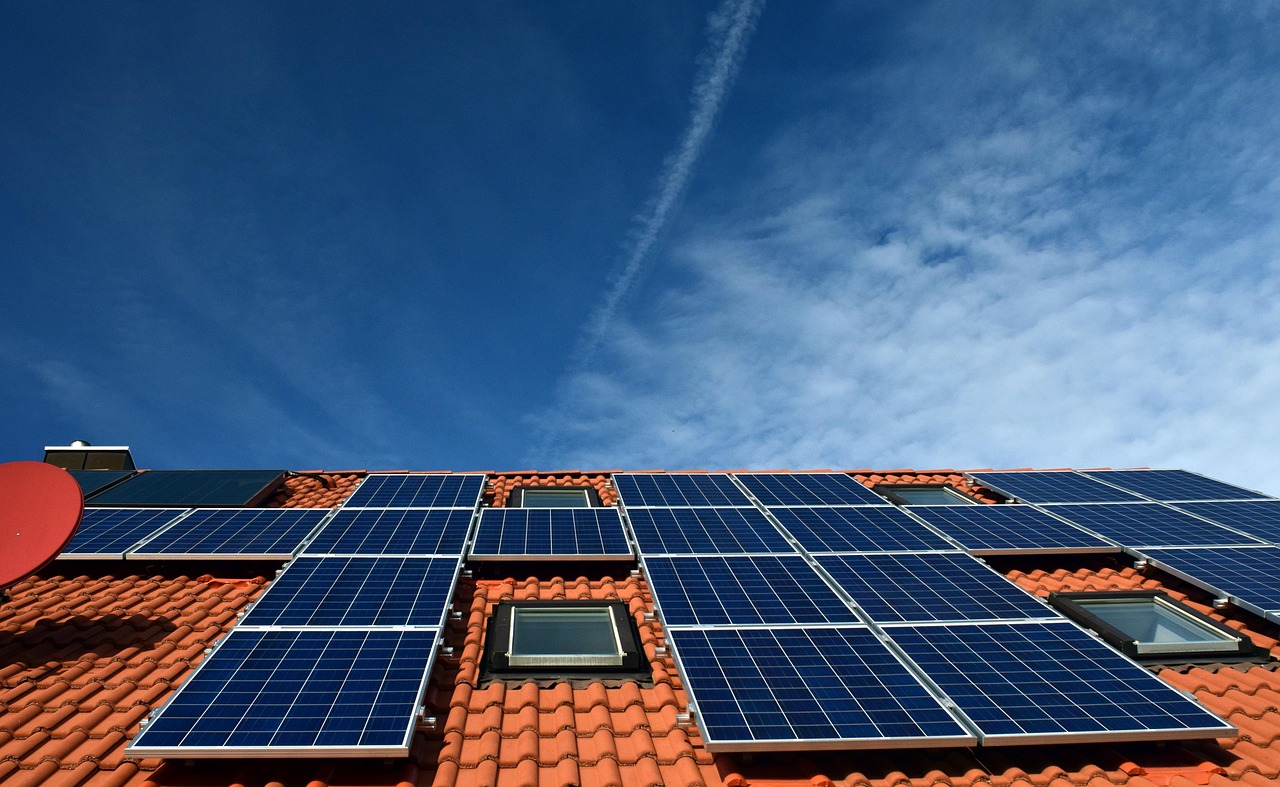
Bipv Solar Panel Benefits and Installation Guide
You can replace conventional building materials with solar-generating components so your walls, roof, or windows produce electricity without looking like a typical array. BIPV solar panel embeds photovoltaic technology into the building envelope to save space, preserve aesthetics, and generate on-site renewable power.
This post will show how BIPV differs from rooftop panels, where it fits best, and what to consider for design and integration so you can judge whether it suits your project. Expect clear comparisons, practical applications, and the key design factors that determine performance and cost.
Essential Overview of BIPV Solar Panels
You will learn what BIPV panel does, the main product types you can choose, and the practical benefits when you integrate them into new or renovated buildings.
What Is BIPV Technology?
BIPV (building‑integrated photovoltaics) embeds solar power-generation into the building envelope so the photovoltaic material becomes part of roofs, façades, or glazed areas.
Instead of mounting arrays on top of existing structures, BIPV components replace conventional building elements while producing electricity and often providing weatherproofing, shading, or daylighting.
You should expect on-site DC electricity that ties into your building’s electrical system or to inverters for AC export.
Design coordination matters: structural load, thermal performance, fire rating, and electrical routing must be planned from early design stages to meet codes and warranties.
Key technical points to check:
- Cell type and efficiency (monocrystalline, thin-film, or multi-junction).
- Weather and fire ratings (e.g., EN, UL standards).
- Mechanical integration (sealing, flashings, and support).
- Electrical integration (inverters, metering, and safety disconnects).
Types of BIPV Solar Panels
BIPV products fall into distinct categories based on form and function.
Common types include roof-integrated tiles, curtain wall/ façade modules, and photovoltaic glazing.
Roof-integrated tiles mimic conventional roofing materials and replace shingles or metal panels; they suit steep-pitched roofs and provide high weather protection.
Façade modules attach as cladding panels or ventilated rainscreens and work well on vertical surfaces that receive sun exposure.
Photovoltaic glazing uses semi-transparent or laminated cells inside windows, skylights, or canopies; it balances light transmission with generation, useful for atria and façades where daylighting is important.
You should also consider installation approach:
- Mono- or multi-crystalline BIPV for higher efficiency in limited area.
- CIGS / thin-film BIPV for flexibility, color options, and curved surfaces.
- Building-applied PV (BAPV) as a separate, often lower-cost alternative when full integration is not required.
Advantages of BIPV in Modern Construction
BIPV reduces material redundancy by replacing conventional building elements, which can lower embodied carbon compared with separate roof-mounted arrays.
You will save roof or façade space while generating on-site electricity that reduces grid demand and operational energy costs.
Aesthetic integration supports architectural intent: you can match colors, textures, and module shapes to the design rather than adding visible racks.
BIPV can improve façade thermal performance and provide shading that reduces cooling loads when specified correctly.
Operational and regulatory benefits include:
- Incentives and green building credits in many jurisdictions.
- Potential for higher property value through integrated renewables.
- Reduced installation labor for combined trades if coordinated early.
Be mindful of tradeoffs: higher upfront costs, design complexity, and stricter maintenance access requirements compared with conventional rooftop PV.
Design, Applications, and Integration
BIPV systems replace or become building elements while generating electricity, affecting aesthetics, structure, and energy. You’ll balance visual goals, load paths, weatherproofing, and electrical routing when choosing and integrating panels.
Common BIPV Applications in Architecture
BIPV commonly replaces standard roofing, curtain walls, skylights, and balustrades. On roofs, thin-film or framed modules act as both cladding and waterproofing; you should verify wind uplift, fire rating, and snow load capacity for your roof type.
For façades, glass-glass or semi-transparent modules allow daylight while producing power; coordinate U-value and visible light transmittance with glazing schedules.
Windows with integrated PV work best on south- or west-facing facades where glare and occupants’ view are acceptable.
Canopies and pergolas combine shading and generation; design the structural supports to carry panel point loads and provide conduit runs.
Use consistent module dimensions and mounting interfaces to simplify replacement and maintenance.
Installation Methods and Best Practices
Decide between direct replacement (modules act as cladding) and applied systems (modules mounted over existing substrate). Direct replacement demands precise detailing at flashings, expansion joints, and thermal breaks to maintain the building envelope.
Plan electrical runs early: place combiner boxes, inverters, and disconnects within accessible, ventilated spaces and follow local code clearances.
Use mechanically compatible fasteners and seals rated to expected UV, temperature, and chemical exposure.
Document as-built drawings showing PV stringing, junctions, and roof penetrations.
Schedule commissioning tests: insulation resistance, I-V curve, and string-level performance verification before closing access panels.
Energy Performance Considerations
Assess site-specific irradiance, orientation, tilt, and shading using high-resolution analysis or drone surveys. Even small shading on façade modules can disproportionately reduce string output; design strings and bypass diodes accordingly.
Compare expected AC output against thermal and optical losses from BIPV materials: selective coatings, frame color, and glass thickness matter.
Account for temperature coefficient differences—modules embedded in façades or backed by insulation may run hotter and lose efficiency.
Model yearly production with hourly simulation, include inverter clipping, mismatch, soiling, and maintenance downtime.
Plan for monitoring at string or module level to detect performance drift and schedule cleaning based on measured soiling rates.