


Authentic Arabic Restaurant Barcelona: A Culinary Journey to the Levant
Authentic Arabic Restaurant Barcelona: A Taste of the Middle East
Barcelona is famous for its Catalan cuisine and seafood paellas. However, the city also hides a rich tapestry of international flavors. Among these, the aromatic and hearty dishes of the Arab world stand out. Finding a genuine Arabic restaurant Barcelona locals love requires knowing where to look beyond the Gothic Quarter. This guide explores the authentic tastes, ambiance, and culinary secrets that define real Arabic dining in the Mediterranean city.
Why Arabic Cuisine is Thriving in Barcelona
The connection between Barcelona and the Arab world is historical. Many forget that Al-Andalus once linked the Iberian Peninsula to Levantine culture. Today, that heritage lives on in the spices and cooking techniques. A modern Arabic restaurant in Barcelona offers more than just food. It offers a sensory journey through Lebanon, Syria, Morocco, and Egypt.
Spanish and Arabic cuisines share surprising similarities. Both love olive oil, fresh herbs, and slow-cooked meats. Both cultures gather around shared plates. This makes Arabic food naturally appealing to Barcelonians. For tourists, it provides a break from tapas without leaving the Mediterranean spirit behind.
What Defines an Authentic Arabic Restaurant Barcelona Experience?
Not every Middle Eastern eatery deserves the “authentic” label. A true Arabic restaurant Barcelona must focus on several key elements. First, the spices must be fresh. Cumin, coriander, sumac, and za’atar should dominate the aroma. Second, the bread must be made in-house. Freshly baked pita or saj bread is non-negotiable. Third, the grill should use charcoal or high-heat techniques. Electric grills cannot replicate the smoky flavor of traditional kebabs.
Finally, hospitality matters. In Arab culture, the host welcomes guests like family. This means free tea upon arrival, generous portions, and unhurried service. If you rush through a meal, it is not truly Arabic.
The Menu: Must-Try Dishes at Any Arabic Restaurant Barcelona
When you enter a reputable Arabic restaurant Barcelona, the menu will tell a story. Here are the essential categories and dishes to look for.
Cold and Hot Mezzes (Starters)
Mezzes are the heart of Arabic dining. They turn a simple meal into a celebration. A good restaurant offers at least eight types. Hummus is the baseline test. It should be creamy, with tahini, lemon, and a drizzle of good olive oil. Mutabbal (smoky eggplant dip) offers a deeper flavor. Warak Enab (stuffed grape leaves) show the chef’s patience. Each leaf must be tender but not mushy. For hot mezzes, look for sambousek (savory pastries filled with cheese or meat) and falafel. Falafel must be crispy outside and green inside from fresh parsley and cilantro.
Grilled Masterpieces
The grill section is where meat lovers rejoice. A top Arabic restaurant Barcelona never skimps on quality. Shish Tawook (marinated chicken skewers) should be juicy and lightly charred. The marinade typically includes yogurt, garlic, and lemon. Lamb chops are another star. They need only salt, pepper, and a touch of rosemary or thyme. For a true test, order Kafta. This is spiced minced meat mixed with parsley and onion, shaped around a flat skewer. When grilled over charcoal, the edges become crisp while the inside stays moist.
Traditional Main Courses
Beyond skewers, traditional ovens produce magic. Mansaf is the national dish of Jordan. It features tender lamb cooked in fermented dried yogurt (jameed), served over fragrant rice with almonds. This is a Friday specialty. Another dish is Maqluba, meaning “upside-down.” Layers of rice, vegetables, and chicken cook in a pot, then flip onto a large platter. Finding Maqluba on the menu of an Arabic restaurant Barcelona indicates the chef cooks for the community, not just tourists.
Sweet Endings and Drinks
No Arabic meal ends without dessert. Knafeh is a must-order. This cheese pastry soaked in sweet syrup, topped with crushed pistachios and orange blossom water, is unforgettable. Baklava should be thin, crispy, and honeyed but not cloying. For drinks, Arabic coffee is thick and cardamom-spiced. Mint tea, poured from a height to create foam, cleanses the palate perfectly.
Ambiance and Décor: Setting the Oriental Mood
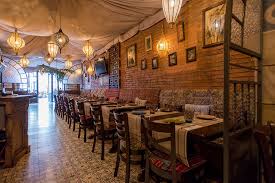
An authentic Arabic restaurant Barcelona transports you the moment you walk in. The lighting is warm and dim. Lanterns made of brass and colored glass hang from the ceiling. Mosaic tiles, known as zellige, often decorate walls or fountains. Wooden mashrabiya screens add privacy and cast beautiful shadows.
Music plays softly in the background. Listen for the oud, a pear-shaped string instrument, or the qanun. Belly dance performances sometimes occur on weekend evenings. However, a truly authentic spot does not rely on gimmicks. It creates a calm, inviting space where conversation flows as freely as the mint tea.
Location Matters: Where to Find Arabic Food in Barcelona
Different neighborhoods host different styles of Arabic eateries. El Raval is famous for its halal butchers and smaller, family-run spots. Here, you find quick shawarma wraps and affordable plates. For a more upscale Arabic restaurant Barcelona experience, head to Eixample or Gràcia. These areas feature sit-down restaurants with full liquor licenses and refined décor.
The Gothic Quarter has options too, but be careful. Many places serve frozen falafel and pre-made hummus. Look for restaurants near the port or on side streets away from the main tourist drag. If the menu has pictures of every dish with huge font sizes, it is likely a tourist trap. Genuine places trust their flavors, not flashy photos.
Dietary Accommodations: Vegan, Halal, and Gluten-Free
Arabic cuisine naturally suits many diets. Most Arabic restaurant Barcelona locations are very accommodating. Vegans thrive here because mezzes like hummus, baba ghanoush, and fattoush salad contain no animal products. Mujadara (lentils and rice with crispy onions) is another vegan powerhouse.
For halal observance, nearly all dedicated Arabic restaurants in Barcelona follow halal guidelines. They often display a halal certificate near the entrance. Pork is never present. Alcohol policies vary. Some serve beer and wine; others remain completely alcohol-free to respect religious customers. If you need gluten-free options, grilled meats, rice dishes, and salads are safe. Always confirm about the falafel, as some recipes include a little flour.
The Importance of Fresh Bread and Sauces
Bread is not a side dish in Arabic culture. It is a utensil, a plate, and a comfort food. An exceptional Arabic restaurant Barcelona will have a baker or a dedicated oven. Fresh pita bread puffs up dramatically in a hot oven. When you tear it, steam should escape. Saj bread, which is paper-thin and cooked on a convex metal dome, is even better.
Sauces elevate everything. Garlic sauce (toum) must be fluffy and pungent. It should not be runny. Tahini sauce, made from sesame paste, lemon, and water, provides a nutty contrast to fried foods. Hot sauce (shatta) varies by chef but always includes fresh chili and sometimes smoked paprika. If the restaurant offers bottled ketchup or industrial mayonnaise, walk away.
How to Choose the Best Arabic Restaurant Barcelona for Your Occasion
Different occasions call for different types of restaurants. For a romantic date, seek out a place with outdoor seating and candlelit tables. The Eixample district has several gems with quiet terraces. For a family dinner, choose a larger space with shared platters. Children often love the mild flavors of chicken skewers and rice. For a quick lunch, a shawarma counter in El Raval works perfectly. The meat should spin on a vertical rotisserie, not sit under a heat lamp.
For a business meeting, pick a more formal Arabic restaurant Barcelona with tablecloths and professional waitstaff. The pacing of an Arabic meal allows for long conversations, which suits business networking well. Always book ahead for weekend evenings, as these restaurants fill up with local families celebrating special occasions.
Customer Service: What to Expect
Service in an Arabic restaurant differs from typical Barcelona service. Waiters do not rush you. They expect you to linger over mint tea after the meal. If you ask for the check immediately after finishing the main course, they might look confused. Politely refusing more bread or tea is common, but expect at least two offers.
The staff usually speaks several languages: Arabic, Spanish, Catalan, and often English. Do not hesitate to ask questions about the menu. A good waiter will explain the difference between similar dishes, like shanklish and labneh. They might even bring you a small taste of a dish you are unsure about. This generosity is cultural, not a sales tactic.
The Verdict: An Unforgettable Culinary Experience
Barcelona offers many dining options, but few are as warm and satisfying as a genuine Arabic meal. From the first bite of smoky baba ghanoush to the last sip of cardamom coffee, every element feels intentional. An authentic Arabic restaurant Barcelona does not just feed you. It welcomes you into a centuries-old tradition of hospitality and flavor.
Whether you crave juicy grilled meats, complex vegetarian stews, or delicate pastries, the Arabic kitchens of Barcelona deliver. They stand as a delicious reminder that the Mediterranean unites cultures rather than divides them. So step away from the crowded tapas bars for one evening. Let the scent of sumac and charcoal guide you. You will leave with a full stomach and a deeper appreciation for Barcelona’s diverse soul.