


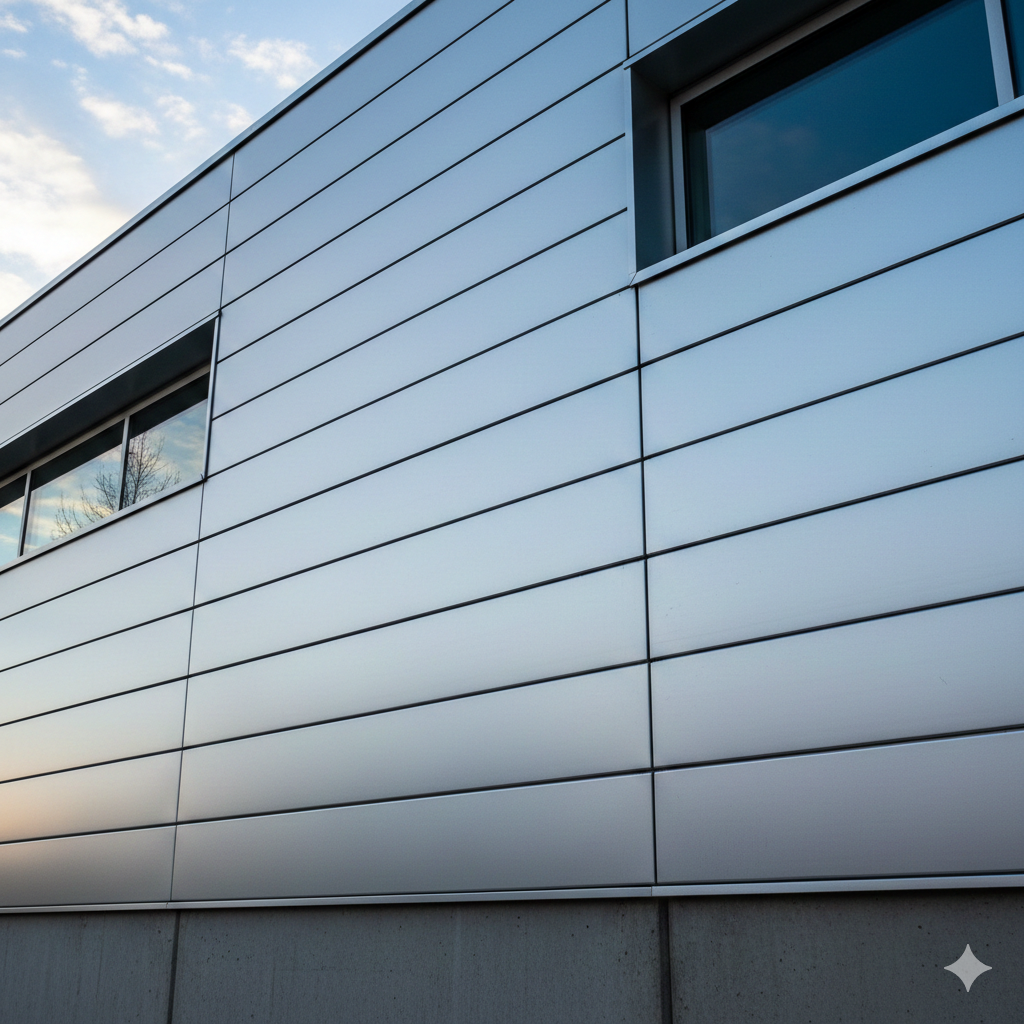
ACM Exterior Panels: Durable Cladding Solutions for Modern Facades
You want an exterior cladding that balances appearance, durability, and ease of installation—ACM exterior panels deliver on all three. ACM panels pair thin aluminum skins with a rigid core to give you lightweight, weather-resistant cladding that works for façades, interiors, and signage.
This article ACM Exterior Panels breaks down how ACM panels perform, what core and finish choices mean for safety and longevity, and what to expect during installation so you can evaluate costs, aesthetics, and maintenance with confidence. Stay focused on practical trade-offs and real-world performance to decide whether ACM fits your project goals.
Understanding ACM Exterior Panels
ACM exterior panels combine thin aluminum skins with a central core to deliver a lightweight, durable cladding system. You’ll learn what they are, why designers and builders choose them, where they’re commonly used, and which core types and finishes to consider.
What Are ACM Exterior Panels?
ACM (Aluminum Composite Material) exterior panels consist of two thin aluminum sheets bonded to a non-aluminum core. The most common core types are polyethylene (PE) for economy and fire-rated mineral or FR cores for improved fire performance. Panel face thicknesses typically range from 0.3 mm to 0.5 mm per skin, with standard panel thicknesses of 3–6 mm overall.
You should expect factory-applied coatings such as PVDF or polyester for color and UV resistance. Panels install on support framing as a rainscreen or direct-faced cladding, and joints are sealed with pressure-equalized or concealed fastening systems. Typical panel sizes run up to 1220–1500 mm wide and several meters long, depending on manufacturer limits.
Key Benefits of ACM Panels
ACM panels offer a high strength-to-weight ratio, which reduces structural loads and simplifies installation. You’ll save on framing costs and handling time compared with solid metal panels.
They resist weathering, corrosion, and UV degradation when finished with durable coatings like PVDF. Fire performance varies by core: PE cores are combustible, while FR or mineral cores meet stricter fire ratings and local code requirements.
Other practical benefits include flatness and consistent appearance across large façades, easy fabrication for reveals
Installation and Performance of ACM Panels
You will focus on correct substrate preparation, fastening or rainscreen attachment, and meeting fire and maintenance requirements. Proper layout, fastener selection, and sealant/joint detailing determine long-term performance.
Installation Methods for ACM Panels
You must start with a suitable substrate: exterior-grade sheathing over a continuous weather-resistive barrier for walls, or metal studs with a treated backer for curtain-wall systems. Measure and lay out panels to minimize cuts and ensure reveals align across elevations.
Common attachment methods:
- Mechanical anchoring: rivets or screws into aluminum or steel subframe; use thermal isolation washers where dissimilar metals meet.
- Pocket/rail systems: panels clip into vertical rails for discrete joints and easier replacement.
- Adhesive bonding: limited to low-load interior or specialty exterior applications with manufacturer-specified adhesives.
Control thermal movement by spacing edges per manufacturer directions (typically 3–6 mm gaps) and use compression gaskets or backer rods. Pre-drill holes for fasteners to avoid panel deformation. Sealant and expansion joints at penetrations and corners preserve waterproofing.
Durability and Weather Resistance
ACM panels resist corrosion and UV when you choose high-quality coil-coated or PVDF finishes. Expect good washability and color retention if you specify a minimum 70% PVDF or fluoropolymer coating and follow finish warranties.
Rainscreen installation with a ventilated cavity prevents moisture trapping and reduces thermal stress on panels. Pay attention to flashings, drip edges, and weep details at sills and openings to keep water away from the substrate.
Ice, freeze-thaw cycles, and thermal cycling demand clips and fasteners that allow movement; stainless steel or coated fasteners extend service life. For coastal sites, specify higher corrosion-resistant alloys and sacrificial detailing to prevent galvanic corrosion.
Maintenance Tips
Inspect joints, sealants, and fasteners annually, and after severe storms. Look for sealant shrinkage, loose clips, or paint chalking; address small issues before water reaches the substrate.
Cleaning schedule:
- Rinse with low-pressure water every 6–12 months.
- Remove stubborn dirt with a mild detergent and soft brush; avoid abrasive pads and harsh solvents.
- Test cleaners on an inconspicuous area to protect coatings.
For localized damage, remove and replace only affected panels when possible. Keep records of panel batch numbers and fastener types to ensure matching replacements and consistent performance.
Safety and Fire Standards
Confirm panel core composition and fire rating before specification. Use non-combustible or fire-retardant core panels where codes require (e.g., NFPA 285, or local equivalents). Verify test reports for multi-story applications and curtain-wall details.
Detail vertical and horizontal joints to limit flame spread and comply with compartmentation requirements. Maintain clearances from ignition sources and follow manufacturer guidance for penetrations, insulation, and cavity barriers.
Document compliance: retain manufacturer certifications, test reports, and as-built details showing cavity barriers, flashings, and firestopping. Inspect firestopping after installation to ensure continuous protection.